

Microchip and ID Tag Checklist 2026: Make Sure Your Pet Can Get Home Fast
Most pet safety advice focuses on what to do after your dog or cat goes missing. The smarter move is making sure you are easy to contact before anything happens. In real life, many pets are found by a neighbor, a dog walker, or someone driving by. If that person cannot contact you quickly, recovery slows down.
This guide gives you a simple checklist to make sure your pet can be identified and returned fast, with a microchip as the permanent backup and a visible ID tag for instant contact.
Why microchips and tags solve different problems
A microchip is permanent, but it is not visible. It usually helps once your pet is brought to a shelter or vet that can scan it.
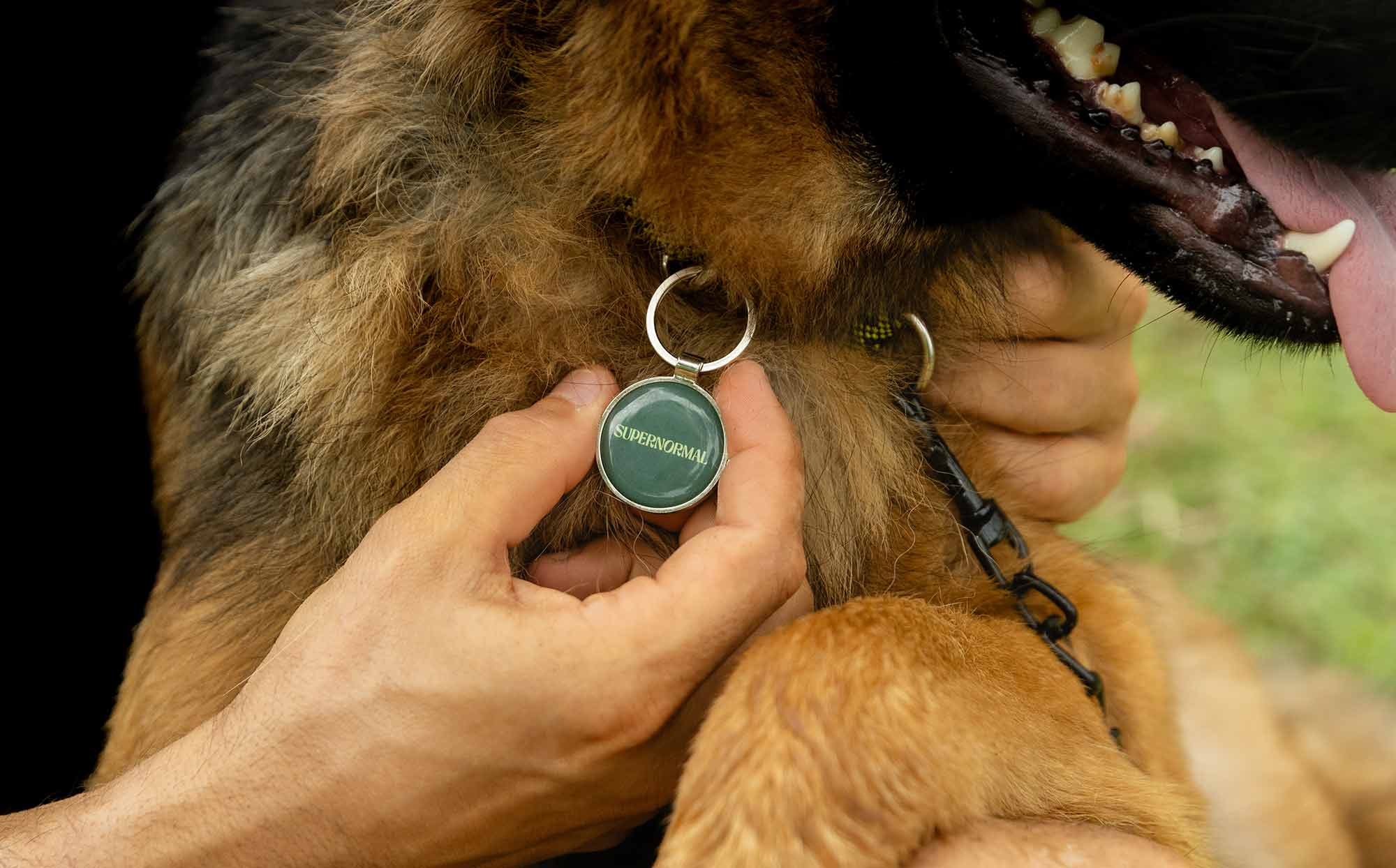
A visible ID tag helps in the first few minutes because it gives the public a clear way to contact you immediately.
The safest setup is simple: microchip plus a visible tag that anyone can use.
The 10 minute pet recovery checklist
Step 1: Confirm your microchip is registered and up to date
Microchips only work if the contact details on the registry are correct.
Do this now:
• Find your pet’s microchip number in vet paperwork or adoption records
• If you cannot find it, ask your vet to scan your pet during a routine visit
• Use the AAHA microchip registry lookup tool to identify the registry linked to your microchip number
Helpful link: How to update microchip details and use the AAHA lookup tool
Once you know the registry, log in and verify:
• Your current phone number
• Your email address
• Your home address
• A backup contact
Step 2: Add a visible ID that a finder can use instantly
If someone finds your pet, they usually want the fastest way to help. A visible tag gives them that.
You can use an engraved tag, but a digital tag can be easier to keep current if your details change.
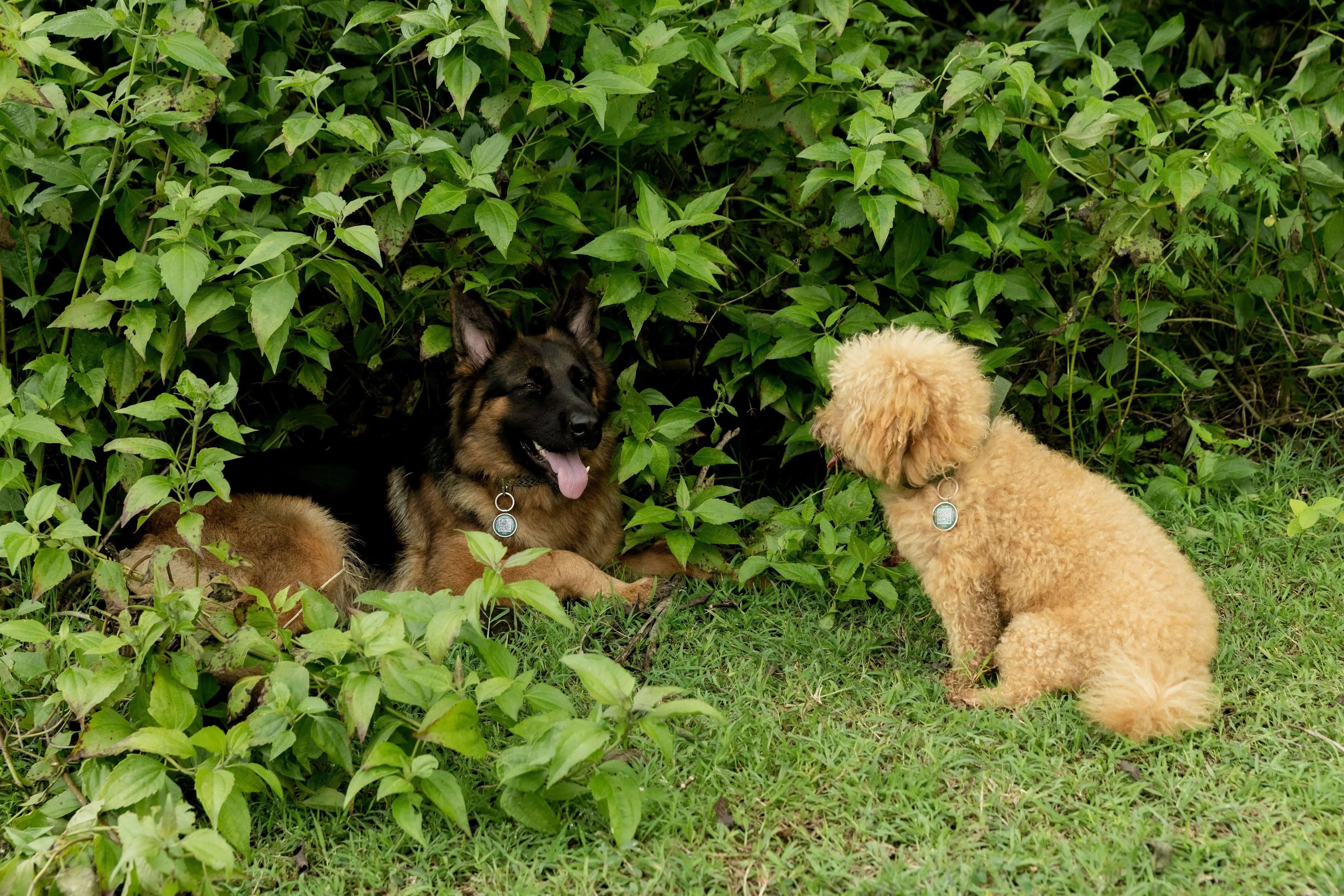
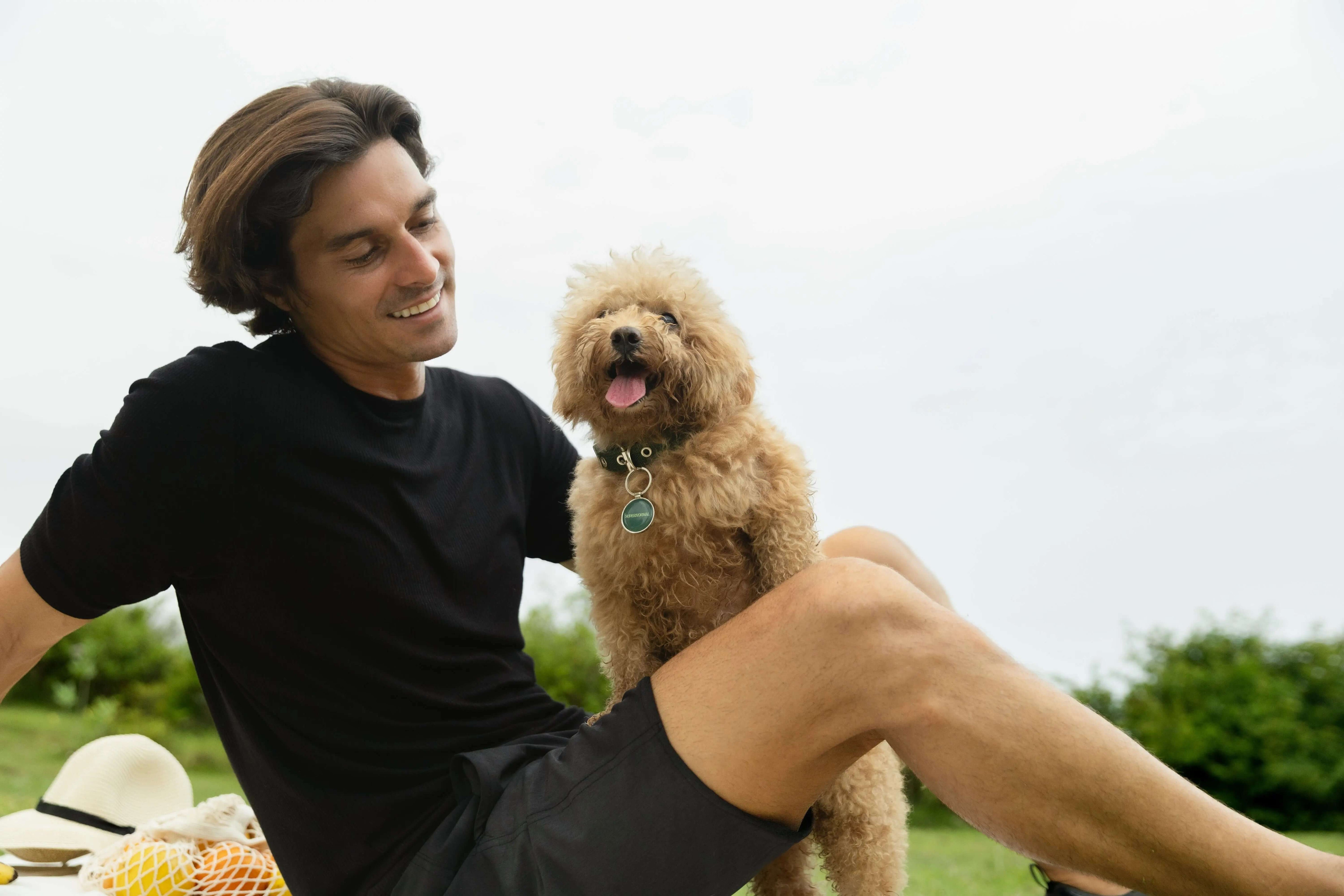
A QR code pet tag allows a finder to scan and contact you quickly using a smartphone camera. The Supernormal PawTag is designed for this exact moment, linking to a live pet profile that you can update anytime.
Step 3: Make your pet profile useful in an emergency
If you use a digital pet ID tag, your profile should answer the questions a finder has right away.
Add:
• Clear photos of your pet from multiple angles
• Your best phone number for immediate contact
• A second contact in case you are unavailable
• Any medical notes that matter
• A calm note about how to approach your pet if they are nervous
Think of the profile as your emergency instruction sheet.
Step 4: Turn on lost mode the moment something goes wrong
If your pet goes missing, speed matters. If you use Supernormal, mark your pet as lost on app.supernormal.com as soon as possible. This is designed to increase visibility by alerting nearby users and participating vets in the area.
It also makes the situation clear for anyone who scans the tag. A finder immediately understands your pet is missing and sees the quickest way to help.
Step 5: Save a simple lost pet action plan
When people panic, they forget steps. Save this short plan to your notes app so you can follow it under stress.
Lost pet plan:
• Search your immediate area first and repeat searches at different times
• Ask neighbors to check sheds, garages, and yards
• Call local shelters and vets
• Post a clear photo and last seen location in local groups
Helpful link: How to find a lost dog
Helpful link: How a finder can safely help a stray pet
Common mistakes that slow down reunions
These issues show up repeatedly in lost pet situations:
• Microchip details are outdated
• The collar has no tag or the tag is unreadable
• Only one contact method is listed
• The owner cannot be reached quickly
• No recent photos exist
Fixing these ahead of time gives you a real advantage if your pet ever slips out.
Best practice setup for most pet owners
If you want a simple, reliable approach:
• Microchip as permanent backup identification
• A visible tag for instant contact
• A digital profile with photos and backup contacts
• A quick way to mark your pet as lost and alert your area
This layered setup helps in both situations: when a good Samaritan finds your pet, and when a shelter or vet scans a microchip.
Frequently asked questions
Is a microchip enough on its own
A microchip helps once your pet is scanned at a shelter or vet, but it does not help a member of the public contact you instantly. A visible ID tag fills that gap.
Do QR code pet tags replace microchips
No. QR tags and microchips do different jobs. Using both is the safest option.
What if my pet loses their collar
This is exactly why microchips matter. Microchips stay with your pet even if collars and tags come off.
Final thoughts
The best time to protect your pet is before you need to. Update your microchip details, make sure your pet wears visible ID, and keep a profile and plan ready. If the worst happens, these small steps can be the difference between a long search and a fast reunion.





Share with friends & family:
QR Code Pet Tags vs GPS Trackers: What Every Dog Owner Needs to Know
What We Learned From Thousands of Lost Pet Stories