



What We Learned From Thousands of Lost Pet Stories
No pet owner ever thinks it will happen to them — until it does.
Over time, we’ve read and listened to thousands of real lost pet stories. Some ended happily within minutes. Others took days, weeks, or heartbreakingly, never found their way home. While every situation is different, the patterns repeat again and again.
This post isn’t meant to scare you. It’s meant to help you. These are the biggest lessons we’ve learned from real pets, real owners, and real reunions.
Most lost pets are found by people, not systems
One of the biggest surprises is how rarely technology alone brings a pet home.
In the majority of stories, a lost dog or cat is first spotted by a neighbor, a passerby, a delivery driver, or someone out for a walk. It’s a human moment long before it’s a shelter or vet moment.
This matters because the first few minutes are often when reunions happen — if the finder knows how to help.
The fastest reunions all had one thing in common
The quickest happy endings usually shared one simple detail: the finder could contact the owner immediately.
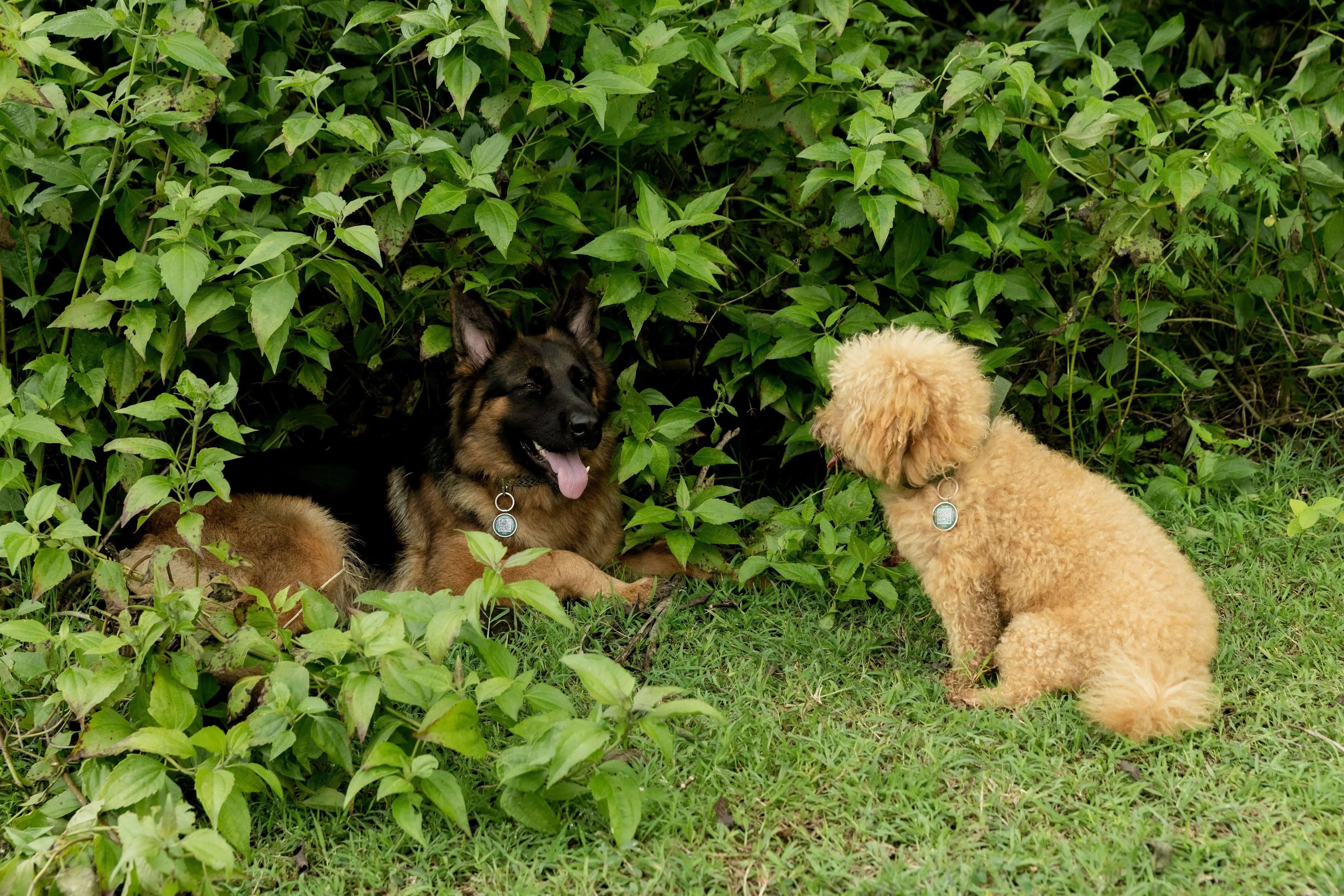
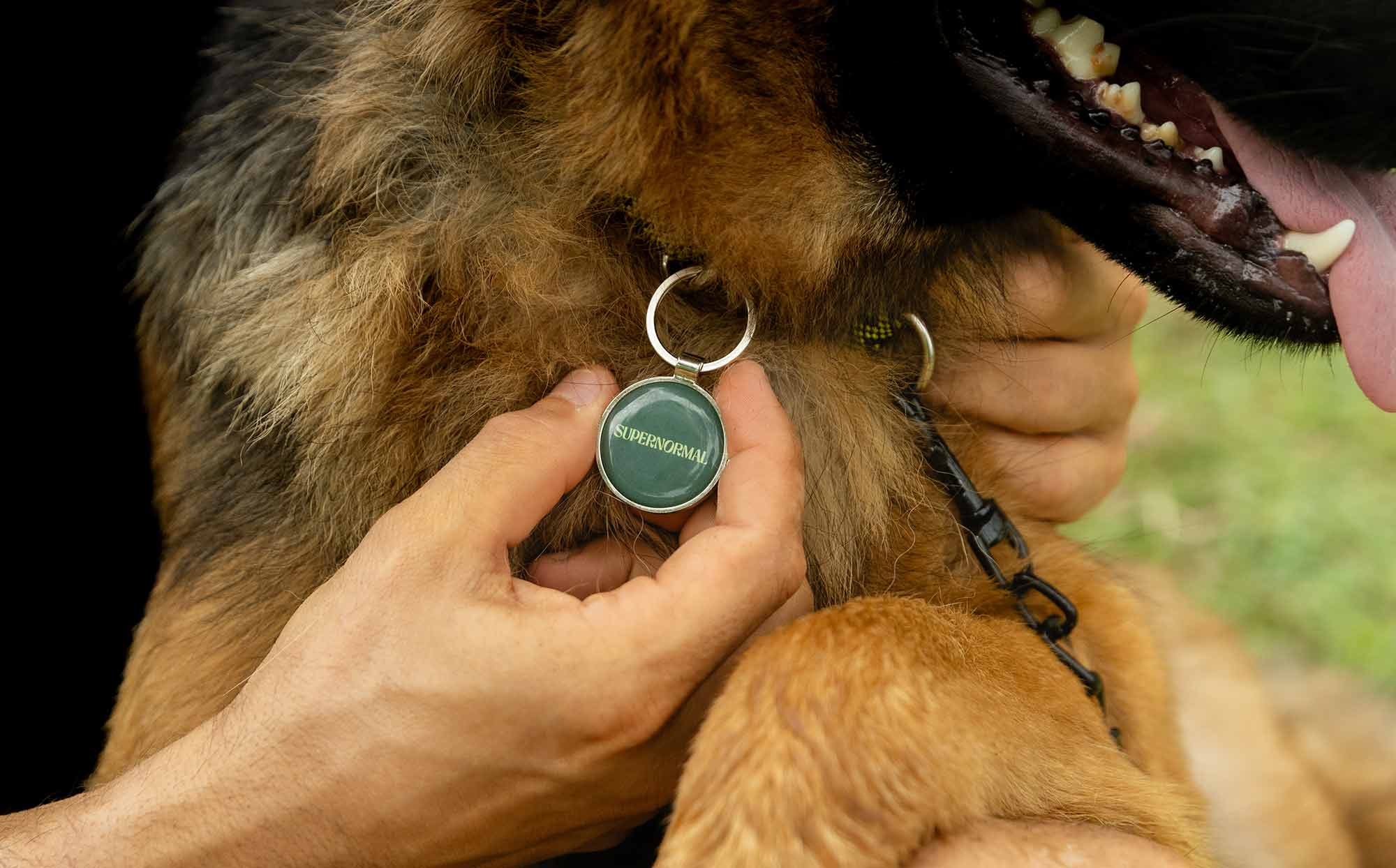
Sometimes it was a clear phone number on a collar. Sometimes it was a QR code tag that opened a pet profile with contact details and instructions.
What mattered most wasn’t how advanced the technology was — it was how easy it was for a stranger to do the right thing.
Microchips matter, but they are rarely the first step
Microchips save lives. They’re essential. But they usually come into play later in the story.
In many cases, a pet with only a microchip spent hours or days being cared for by someone who had no way to contact the owner directly. The chip only helped once the pet reached a shelter or vet.
The stories that resolved faster often had both: a microchip as a backup and visible ID for immediate contact.
Most pets don’t run far — they hide
Another common theme is distance. Most lost pets aren’t miles away. They’re nearby, scared, and hiding.
Cats often stay within a few houses of home. Dogs frequently loop familiar routes or stop when someone shows kindness.
This is why clear identification matters so much. When someone finally gets close enough to help, they need an easy way to reach you.
People want to help, but they’re often unsure how
Many finders hesitate because they don’t know what to do next.
They worry about approaching the pet incorrectly. They’re unsure whether to take the pet home, call someone, or leave it alone. When there’s no obvious next step, delays happen.
Lost pet stories that ended quickly often included clear instructions — either on a tag or a digital profile — that told the finder exactly how to help.
Updated information makes a huge difference
Outdated phone numbers are one of the most frustrating patterns we see.
Owners move, change numbers, or switch countries, while their pet’s ID stays the same. When a finder calls and gets no answer, momentum stalls.
Stories with happy endings almost always involved information that was current and easy to access.
Speed beats perfection
In many reunions, the owner didn’t do everything perfectly. What they did do was act quickly.
They searched nearby first. They told neighbors. They posted clear photos. They answered their phone. They marked their pet as lost as soon as something felt wrong.
Fast, simple actions consistently beat complex plans executed too late.
Digital tools work best when they support human kindness
Technology doesn’t replace people — it supports them.
The most effective tools were the ones that helped humans help each other. QR code pet tags, digital profiles, and lost pet alerts worked best when they reduced friction and made communication easy.
For example, being able to mark a pet as lost and clearly signal that status to anyone who scans their tag helps turn confusion into action.
What this means for pet owners
After reading thousands of stories, a simple truth stands out:
Lost pets get home faster when it’s easy for people to help.
You don’t need to predict every scenario. You just need to make sure that if someone finds your pet, they can reach you quickly, clearly, and calmly.
A simple takeaway
Think of your pet’s safety setup as a conversation starter with a stranger.
If someone meets your pet without you there, can they immediately tell your pet belongs to someone? Can they contact you without guessing? Do they know what to do next?
If the answer is yes, you’ve already done more than most.
Final thoughts
Every lost pet story starts with panic. The ones that end happily usually involve preparation, clarity, and a little human kindness. You can’t control every moment — but you can make it easier for the right person to help when it matters most.







Share with friends & family:
Microchip and ID Tag Checklist 2026: Make Sure Your Pet Can Get Home Fast
How Modern Pet ID Systems Are Changing Lost Pet Recovery