

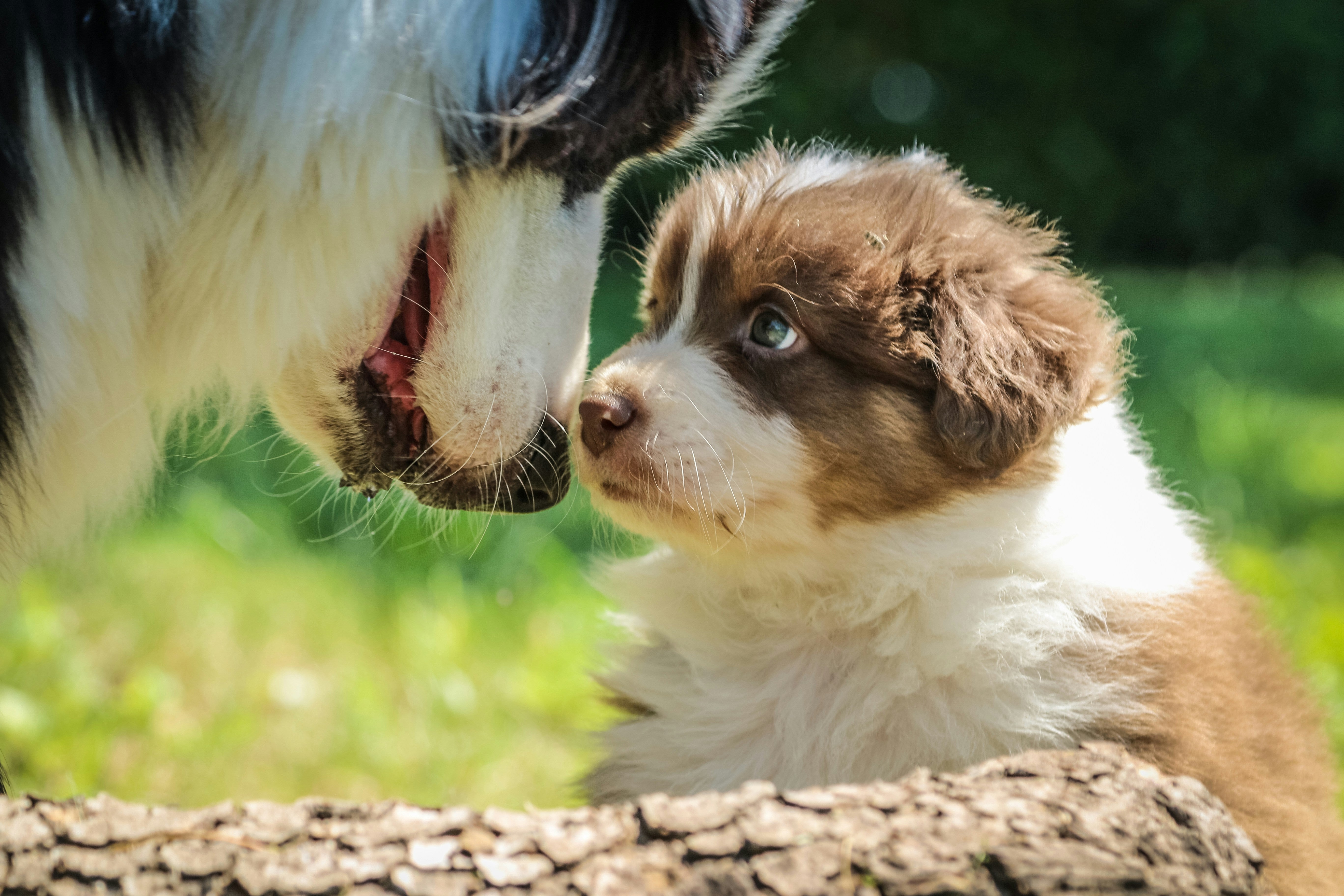
First 24 Hours With a New Puppy: Step by Step Guide
The first 24 hours with a new puppy are exciting, emotional, and a little overwhelming. This short window does not need to be perfect, but it does set the tone for your puppy’s sense of safety and routine. Think of day one as the foundation for your training, your bond, and your puppy’s future confidence. In this guide, we will walk through your first day hour by hour so that you know exactly what to focus on and what can wait for later.
Before You Bring Your Puppy Home
Good preparation makes your first day much easier. Set up a small, safe area for your puppy such as a playpen or a single room with baby gates. Place a crate there with a soft blanket and a toy, and keep food and water bowls nearby. Puppy proof the space by removing wires, small objects, and anything toxic or breakable. Many common houseplants and foods are unsafe for dogs, so double check items against trusted lists such as the toxic plant and food guides from the ASPCA Animal Poison Control Center. Have cleaning supplies ready for accidents and keep a small notebook or app handy to record feeding and bathroom times. A little planning now reduces stress later.
First Hour: Calm Arrival and Introduction
When you first carry your puppy inside, keep the welcome calm rather than loud or chaotic. Go straight to the potty spot before entering the main living space. Set your puppy down in the designated outdoor area or on puppy pads if you live in an apartment. If your puppy goes, praise gently and offer a small treat. Then bring your puppy into the prepared room and let them explore at their own pace. Keep children and other pets controlled and quiet for the first few minutes. Your goal is to show your puppy that this new place is peaceful and safe. Avoid inviting guests and keep the environment simple and predictable.
Hours Two to Six: Potty Routine and House Rules
During the first afternoon, start a simple potty routine. Most young puppies need a bathroom break after waking up, after meals, after play sessions, and at least every two to three hours. Each time, calmly bring your puppy to the same spot. Use a consistent phrase such as “go potty” and reward within a few seconds of success. This clear pattern is the start of house training. When indoors, supervise closely. If you cannot watch your puppy, they should be in a crate or a small safe space instead of wandering through the whole home. This is not punishment, it is management that prevents accidents and chewing habits from forming. Gently redirect chewing to appropriate toys and avoid scolding for mistakes.
First Meals and Water in the New Home
Feed the same food your puppy was eating with the breeder, shelter, or previous home, at least for the first few days. Sudden diet changes often lead to stomach upset and diarrhea. Offer the first small meal once your puppy has had some time to settle and has used the bathroom. Many puppies feel nervous and may eat a bit less on day one, which can be normal. Fresh water should be available, but avoid letting your puppy gulp large amounts right before bedtime or car rides. If you plan to switch foods later, do it gradually over the course of a week, as suggested by organizations like the American Veterinary Medical Association, by mixing increasing amounts of the new food with the old.
Setting Up the Crate and First Naps
The first day will be full of new sights and sounds, and puppies tire quickly. Encourage short naps in the crate by placing it in the quiet puppy area with the door open at first. You can toss a few treats inside or feed part of a meal in the crate so your puppy creates a positive association with it. When your puppy is sleepy, gently place them in the crate and sit nearby. If they whine, wait a moment before responding so that you do not accidentally reward noise. Many owners find that a covered crate, a soft toy, or a ticking clock near the crate helps the puppy feel like they have a companion. The goal for day one is not perfect crate training, but a gentle introduction that feels safe.
Meeting Other Pets and Family Members
Introduce other pets slowly and with control. For dogs, start with leashes on both animals and allow them to see and sniff each other for short periods. Watch body language carefully. Tense posture, stiff tails, and hard stares mean you should separate and try again later. For cats, keep your puppy on a leash and allow the cat an escape route and high places where they can observe. Do not force interaction. Keep early meetings short and positive so nobody feels threatened. For young children, teach simple rules such as no pulling, no grabbing, and letting the puppy come to them rather than chasing. Adults should supervise all early interactions between puppies and children.
First Night: Sleep, Comfort, and Bathroom Breaks
The first night is often the hardest part of your first 24 hours with a new puppy. Your puppy has left their litter and familiar smells, and they may feel lonely. Place the crate near your bed so the puppy can hear and smell you. This helps reduce anxiety and gives you a chance to hear when they need a bathroom break. Most young puppies cannot hold their bladder all night. Plan for one or two night time trips outside. If the puppy cries, first ask yourself whether they likely need the bathroom or are simply protesting being alone. If you suspect a bathroom need, quietly pick them up, go straight to the potty spot, give them a chance to go, then return to the crate with minimal talking and no play. Keep the lights low so they learn that night time is for sleep, not games.
Health Checks and Vet Planning
In the first 24 hours, do a gentle head to tail check at home. Look in the ears, glance at the eyes, feel along the body, and check paws and nails. You are not doing a full exam, just getting to know what is normal and looking for anything urgent such as severe coughing, diarrhea with blood, or obvious pain. If you notice concerning signs, contact a veterinary clinic for advice. If you have not already done so, schedule a full wellness visit for the next few days so your vet can check vaccinations, deworming, and general health. Trusted organizations such as the American Kennel Club recommend a prompt vet visit after bringing a puppy home, even if they seem healthy.
Building Trust Without Overwhelming Your Puppy
It is tempting to do everything on day one, from long training sessions to lots of outings. The first 24 hours, however, should be simple. Focus on three priorities: teaching your puppy where to go to the bathroom, helping them feel safe in the new home, and starting a soft bond with you. Keep training very short, for example a few minutes of name recognition or gentle handling practice. Avoid crowded places, pet stores, or dog parks right away. Your puppy is still adjusting and may not yet be fully vaccinated, so heavy exposure to other dogs is not a good idea on day one. Quiet, predictable routines do more for your bond than a busy schedule.
Common Mistakes to Avoid in the First Day
New owners often make the same few mistakes during the first 24 hours. One is giving the puppy full access to the entire house, which leads to accidents and chewing. Another is punishing accidents or whining, which can make your puppy fearful and confused. It is also easy to overdo visitors and stimulation. Try not to invite a crowd of friends to meet the puppy on day one. Lastly, do not ignore your own rest. Caring for a baby animal is tiring, so plan simple meals for yourself, clear a flexible day, and give yourself permission to lower expectations in other areas of life for a short time.
Frequently Asked Questions About the First 24 Hours With a New Puppy
Should my puppy meet other dogs on the first day?
Brief and controlled introductions with adult dogs in your home can be fine if those dogs are healthy and up to date on vaccines, but you do not need to rush. Avoid dog parks and unknown dogs during early days, especially before your vet confirms your puppy’s vaccination schedule. Focus first on letting your puppy adjust to you and the home environment.
How much should my puppy sleep in the first 24 hours?
Puppies sleep a lot. It is normal for a young puppy to rest or sleep for most of the day, often in short cycles of play, bathroom, and nap. If your puppy seems generally bright when awake, eats, drinks, and goes to the bathroom normally, frequent naps are expected. Contact your vet if your puppy seems extremely lethargic, refuses food, or shows other signs of illness.
What if my puppy will not eat on the first day?
A slight decrease in appetite can be normal due to the stress of a new environment. Offer small, familiar meals in a quiet spot and avoid switching foods right away. If your puppy refuses all food for more than a day, vomits repeatedly, or has diarrhea, call your vet for guidance. Young puppies can become dehydrated quickly, so do not wait long if you are worried.
Is it okay to let my puppy sleep in my bed the first night?
Many owners want the comfort of a puppy in the bed, but it can make crate training harder later since the puppy learns that the bed is the normal sleeping place. A good compromise is to keep the crate beside your bed so your puppy feels close but learns to love their own sleep space. Once crate habits are strong, you can decide later whether to allow bed sharing.
When should I start formal training?
Training begins on day one, but it can stay simple and gentle. You are already teaching important lessons such as where to potty, how to settle, and that human hands are kind. Short sessions where you say your puppy’s name and reward them for looking at you are a perfect start. More structured training can grow naturally over the coming weeks once your puppy feels secure.
The first 24 hours with your new puppy are all about calm, comfort, and simple routines. If you focus on safety, bathroom breaks, gentle rest, and kind attention, you will give your puppy a strong start and build the trust that supports every lesson that comes next.


Share with friends & family:
Best Ways to Keep Your Pets Safe
New Kitten Checklist: Everything You Need Before Bringing Your Kitten Home