


How to Find a Lost Dog Fast
When your beloved dog goes missing, every second counts. Acting quickly and strategically can make the difference in bringing your pup home safely. Most lost pets are found relatively close to home – often within a one-mile radius of where they went missing* – but you’ll need to mobilize and use all resources available to locate them as fast as possible. Here are the steps you should take immediately to maximize the chances of a quick reunion with your dog.
Immediate Actions to Locate Your Dog Quickly
- Start Your Search at Home and Nearby: Begin by thoroughly checking your house, yard, and immediate surroundings. Make sure your dog isn’t hiding somewhere on your property or just beyond it. Call out your dog’s name and listen carefully. Look under bushes, in garages, under decks, and in any small spaces a scared dog might crawl into. It’s common for a frightened dog to tuck themselves into a hiding spot nearby. Most lost pets are found within about one mile of where they went missing, often much closer. Focus your initial search in the neighborhood before venturing farther.
- Don’t Waste Time – Act Fast: As soon as you realize your dog is lost, drop everything and initiate the search. Don’t assume your dog will come back on their own or that they’re just taking a stroll. The sooner you start looking, the better. Remain calm but move with urgency. Grab essentials like your phone, a flashlight (if it’s getting dark), and high-value treats. If your dog has a favorite squeaky toy, bring that along too. Walk or drive around the area your dog was last seen, and call their name in a friendly, upbeat tone. Dogs respond to your tone of voice – sounding panicked or angry may deter them from approaching.
- Avoid Chasing or Spooking the Dog: If you spot your dog in the distance, resist the urge to run straight toward them. Chasing a lost dog can cause them to bolt further away. Instead, stop and kneel down, encouraging them to come to you. Call their name gently and even sit or lie down if possible – this can pique a dog’s curiosity and draw them toward you. You can also try the “recall trick” of running in the opposite direction (as if you’re the one running away); many dogs will instinctively chase after their owner if they think you’re running from them. The goal is to get your dog to approach you willingly, without triggering their flight response. Note: Advise any well-meaning helpers not to chase the dog either. Too many people actively pursuing can scare a lost dog into hiding or fleeing further.
- Alert Neighbors and Recruit Help: As you search, let those in your community know what’s happening. Knock on neighbors’ doors or send out a quick message on neighborhood apps like Nextdoor. Ask people to keep an eye out for your dog in their yard or on their street. Provide a description of your dog (size, color, breed, any distinctive markings) and your contact information. The more eyes looking out, the better. Neighbors can also help by searching their own properties and checking doorbell camera footage for any sightings. Just remind everyone helping not to chase the dog if they see it – instead, they should call you right away with the location of the sighting.
- Contact Local Shelters and Animal Control Immediately: Don’t wait – call your local animal shelters, rescue organizations, and animal control agencies within the first hour of your dog going missing. Provide them with your dog’s details and your phone number. Many shelters have intake procedures for stray dogs and might pick up your pet if someone reports it. By notifying them early, you ensure your dog is on their radar. You might also visit the nearest shelter in person with a photo of your dog. Shelters may allow you to file a “lost dog” report. Remember to also alert nearby veterinary offices and after-hours emergency vet hospitals – a good Samaritan might bring an injured or wandering dog there.
- Use Social Media and Online Networks: Harness the power of the internet to spread the word quickly. Post a clear photo and description of your dog on platforms like Facebook, Instagram, and Twitter, and ask friends to share. There are often community Facebook groups or pages specifically for lost and found pets in your area – post on these as soon as possible. Also post on your personal feed; the more people aware, the better. In your posts, include your contact info and the area where the dog went missing. Additionally, consider using services like Petco Love Lost (which uses facial recognition for lost pets) or local lost pet registries and apps. These can quickly alert a wide network of people to be on the lookout for your pup.
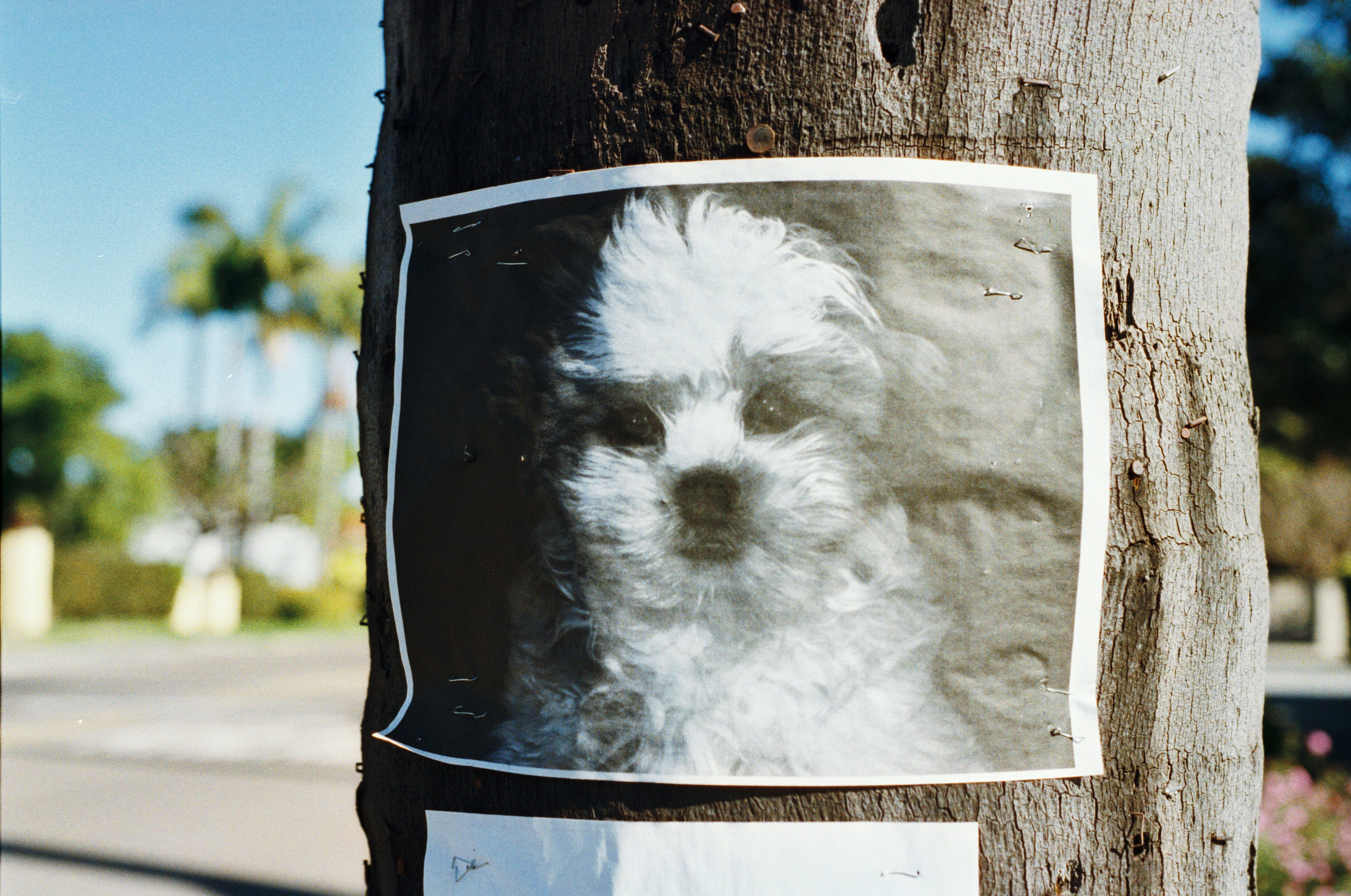
- Make Flyers and Posters ASAP: While digital outreach is critical, don’t neglect good old-fashioned paper flyers. Within the first few hours, create a simple, bold LOST DOG poster. Include a recent photo, your dog’s name, a brief description (breed, color, approximate weight), and your phone number in large text. If you can, mention “Do Not Chase” on the flyer so people know not to run after your dog. Print out dozens of copies. Post them at intersections, on community bulletin boards, in local parks, and hand them to anyone you encounter during your search. Enlist friends or family to help distribute flyers across the neighborhood quickly. The faster your dog’s photo and info are circulating in the area, the better the chance someone will spot them and call you.
- Use Scent and Sound to Attract Your Dog: If your dog is still missing after you’ve canvassed the immediate area, try to entice them back with familiar scents and sounds. Leave your front gate or backyard gate open if possible, and place your dog’s bedding or a piece of your clothing outside your home. A dog’s nose can pick up familiar smells from far away, and it might draw them back to the house. Some experts suggest also leaving out a bowl of strong-smelling food like tuna or canned dog food. You can also intermittently make familiar sounds that carry well – for example, use a whistle they know, squeak a favorite toy, or even play a recording of your voice calling them. Don’t overdo it (you don’t want to scare them with loud noises), but a few sound cues might help guide your dog back or keep them near.
- Stay Accessible and Keep Checking In: In a fast-moving search, it’s important to remain reachable. Keep your phone on you at all times with the ringer volume up. If possible, have someone stay at your home in case your dog finds their way back or someone calls your landline. Continue to circle back to your home base every so often – many dogs will eventually return home on their own, especially if they aren’t far. Monitor social media and community boards for any posts about found dogs that match your pet’s description. It’s also a good idea to log every sighting or tip you get: write down the location and time, so you can identify patterns (for example, if your dog is moving in a certain direction).
- Don’t Give Up and Expand Your Search if Needed: Most dogs are found fairly quickly, but if a few hours have passed with no luck, broaden your efforts. Extend the radius of your physical search beyond your neighborhood – drive around neighboring areas and call out for your dog. Update your social media posts and ask others to keep sharing. Check in person at shelters daily; sometimes it can take a day or two for someone to bring in a found dog. If days begin to pass, consider offering a reward and adding that to your posters and posts (but beware of potential scams – don’t pay anyone until your dog is safely in your hands). Continue to network: local radio stations, community centers, or even the police (for example, in some areas you can report a missing pet to non-emergency police). Persistence is key – there are many stories of lost dogs being found after weeks or even longer, thanks to their owners’ tireless efforts.
Preventive Measures for the Future
Recovering a lost dog quickly is a huge relief. Once you have your pet back, take steps to ensure it doesn’t happen again. Make sure they always wear a collar with an ID tag that has your current phone number. It’s also highly recommended to microchip your dog (if not already done) and keep the microchip registration up to date – this permanent ID greatly increases the odds of a reunion if your dog ever gets lost (microchipped dogs have a far higher return-to-owner rate)*. If your dog is an escape artist, consider using a GPS tracker on their collar, which can let you track their location in real-time via smartphone. Lastly, invest time in training: practice recall commands so your dog comes when called, and work on any behaviors (like bolting out the door) that led to their escape. With preparation and training, you can reduce the chances of a future disappearance and ensure that if it ever happens again, you’re equipped to find your dog as fast as possible.
Losing your dog is frightening, but quick action, a level head, and community support can dramatically speed up the search. By following these steps and never losing hope, you’ll give yourself the best chance of finding your lost dog quickly and safely.






Share with friends & family:
Best Ways to Keep Your Pets Safe
What to Do If Your Dog Runs Away