

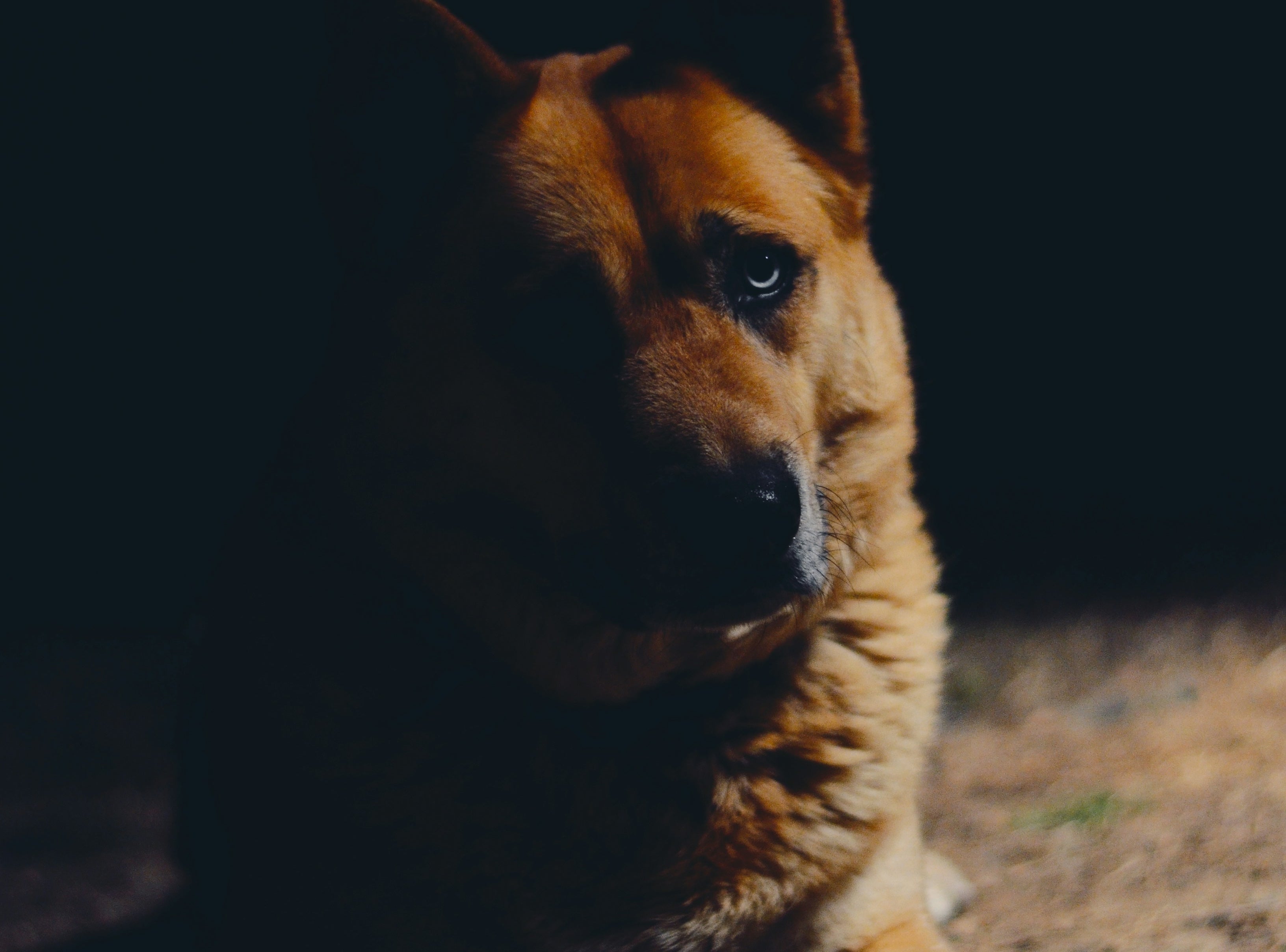
What to Do If Your Pet Gets Lost at Night
Having a pet go missing after dark is one of the most stressful experiences for any owner. Nighttime brings added challenges such as reduced visibility, quieter streets, and fewer people around to help. The good news is that most pets are found close to home when the right steps are taken early.
This guide walks you through what to do if your pet gets lost at night so you can act quickly, stay calm, and increase the chances of a safe return.
1. Stay Calm and Assess the Situation
Before reacting, take a moment to breathe and think clearly. Panic can make it harder to make good decisions.
Ask yourself:
Where was your pet last seen?
Were they wearing identification?
Is the area safe to search right now?
Staying calm allows you to act intentionally instead of reacting out of fear.
2. Search Nearby First
Most pets that escape do not travel far, especially at night. Many hide close to home in quiet, sheltered places.
Use a flashlight to scan the area carefully. Look under cars, bushes, porches, and along fences. Move slowly and call your pet’s name in a calm, familiar voice.
Using a flashlight can help reflect eye shine, making it easier to spot a hiding animal.
3. Alert Neighbors and People Nearby
Ask neighbors to check their yards, garages, and sheds. Many pets hide silently and may not be noticed unless someone looks closely.
Share a recent photo, a brief description, and your contact number. If neighbors have doorbell cameras or security systems, ask them to review footage from around the time your pet went missing.
4. Contact Local Shelters and Animal Services
Call nearby shelters, animal control, and emergency veterinary clinics as soon as possible. Some facilities operate overnight and may already have information about found pets.
You can find local shelters through organizations like the ASPCA or your local animal welfare services.
5. Post Online and Use Community Groups
Online visibility can dramatically improve recovery chances. Post clear information in local community groups and lost pet platforms.
Helpful places to post include:
• Local Facebook community groups
• Neighborhood platforms like Nextdoor
• Lost pet databases such as Petfinder
Include a clear photo, last known location, and a reliable contact number.
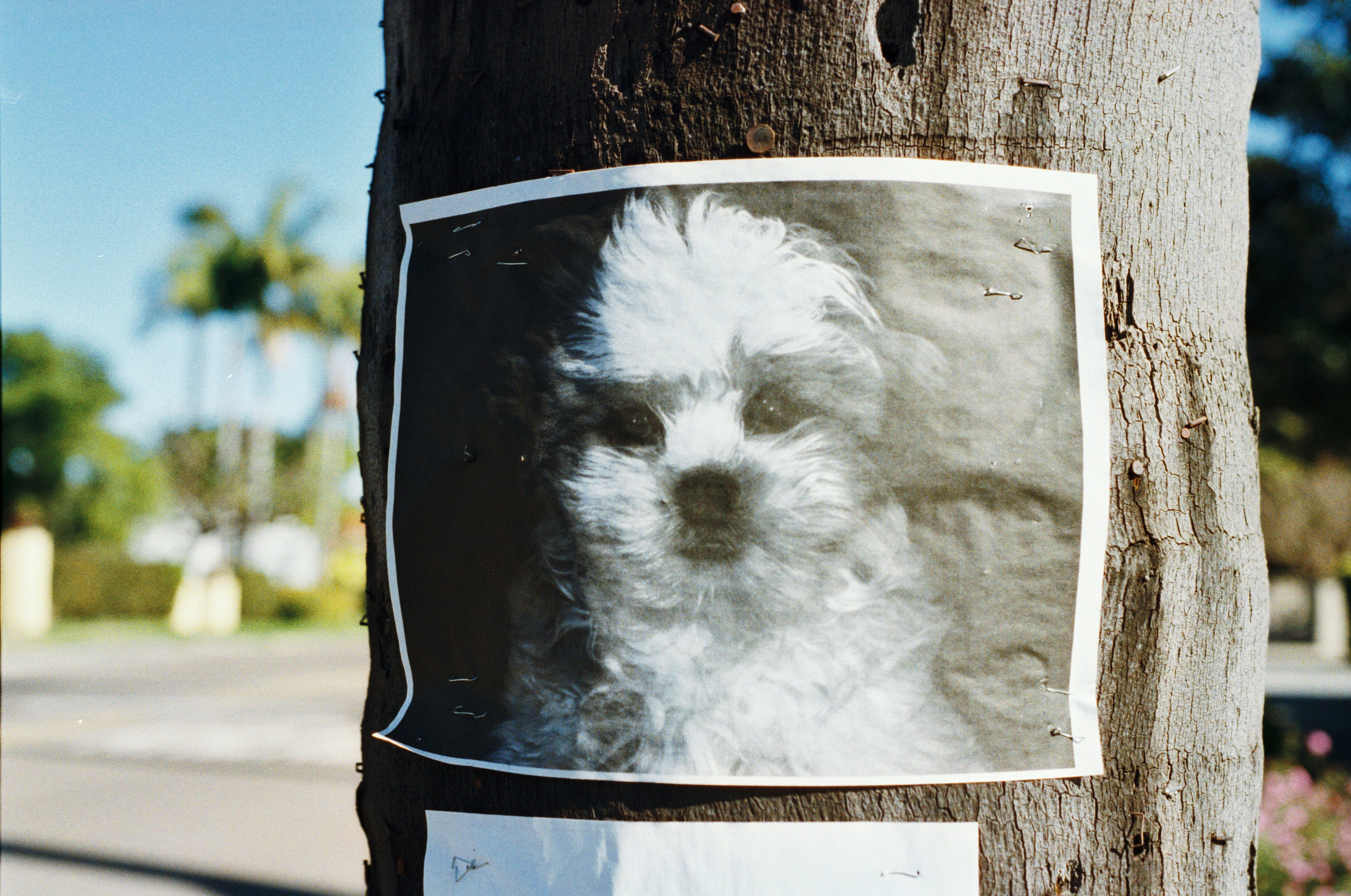
6. Create and Share Flyers
If possible, create simple flyers that include:
A clear photo of your pet
The words “Lost Pet” in large text
The last known location
Your phone number
Place flyers near intersections, parks, and high foot traffic areas. Using bright or reflective paper can make them easier to spot at night.
7. Use Identification Tools
Identification plays a critical role in reunification.
Visible ID tags allow people to contact you immediately. QR code tags allow anyone with a smartphone to access your pet’s profile and contact you quickly.
Microchips provide an additional layer of protection if your pet is brought to a shelter or veterinary clinic. Most shelters scan for microchips automatically.
You can learn more about microchipping through the American Veterinary Medical Association.
8. Stay Nearby Overnight
Many pets hide during the night and move once things quiet down. Staying close allows you to respond quickly if your pet returns or is spotted.
Leaving familiar items such as bedding or worn clothing outside can help guide your pet back using scent.
9. Search Again at First Light
Early morning is often one of the most effective times to search. Streets are quieter, visibility improves, and pets are more likely to emerge from hiding.
Walk slowly, listen carefully, and speak in a calm voice.
Frequently Asked Questions
What if I see my pet but they run away?
Avoid chasing. Move slowly, crouch down if possible, and speak gently. Turning sideways and lowering your body can appear less threatening.
Should I leave food outside?
Yes. Food and familiar bedding can help your pet follow familiar scents back home.
Is it safe to search at night?
Your safety comes first. Wear reflective clothing, bring a flashlight, and avoid unsafe areas. If needed, resume searching at first light.
Final Thoughts
When a pet goes missing at night, preparation and calm action can make all the difference. Acting quickly, staying organized, and using every available tool greatly improves the chances of a safe reunion.







Share with friends & family:
What to Do If Your Pet Gets Spooked on a Walk
Step by Step Lost Pet Checklist