

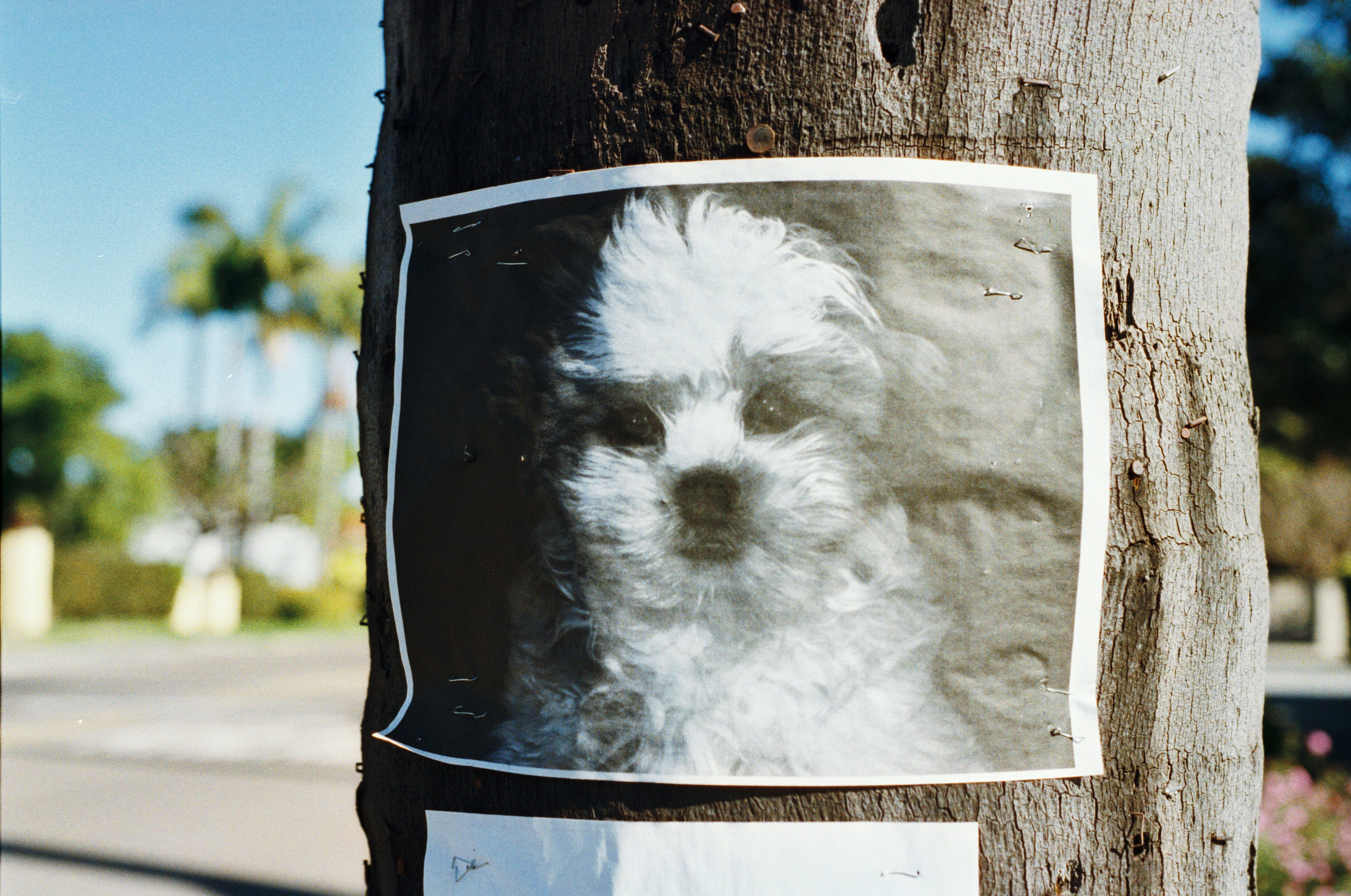
How to Create a Lost Pet Plan Before You Need One
Most pet owners only think about what to do when a pet goes missing after it happens. Unfortunately, those first few hours are when clear thinking matters most. Creating a lost pet plan in advance removes panic from the equation and helps you act quickly, calmly, and effectively. This guide walks you through building a simple plan you can rely on if your pet ever slips away.
Why Having a Lost Pet Plan Matters
When a pet goes missing, emotions run high and time moves fast. Studies and shelter data show that pets are most likely to be recovered within the first 24 to 48 hours if owners act immediately and with a clear strategy. Without a plan, owners often waste precious time searching randomly or waiting too long before alerting shelters and neighbors. A lost pet plan gives you clear steps so you can focus on recovery instead of decision making.
Step 1: Prepare Identification Before Anything Happens
Identification is the foundation of any lost pet plan. Before an emergency, make sure your pet has multiple forms of ID.
Start with a collar and visible ID tag that includes at least your phone number. If space allows, include a second contact such as a partner or trusted friend. Breakaway collars are recommended for cats and small pets, while properly fitted collars or harnesses are safer for dogs.
Microchipping is strongly recommended by veterinarians and animal welfare organizations such as the American Veterinary Medical Association and the ASPCA. A microchip provides permanent identification that cannot fall off. Just as important, confirm that your contact information in the microchip registry is accurate and up to date.
Many owners also choose digital identification such as QR code pet tags. These allow anyone with a smartphone to access your contact information instantly and often notify you with the location when the tag is scanned. Visible, easy to use identification increases the chances that a good Samaritan can contact you quickly rather than taking your pet to a shelter hours later.
Step 2: Create a Pet Information File
Put together a simple pet information file and store it digitally and in print. This file saves time when you need to share details quickly.
Your file should include:
1. Several clear, recent photos of your pet from different angles.
2. A written description including breed or mix, size, color, and any unique markings.
3. Your pet’s name, age, and any known medical conditions.
4. Microchip number and registry name, if applicable.
5. Your contact details and at least one backup contact.
6. Veterinary clinic name and phone number.
Having this information ready allows you to create flyers, online posts, and shelter reports in minutes instead of hours. Save the file on your phone so it is accessible even if you are not at home.
Step 3: Map Out Your Immediate Search Area
Before anything happens, take a moment to understand your surroundings. Pets often stay close to where they went missing, especially in the first few hours.
Identify likely hiding spots around your home such as garages, sheds, bushes, crawl spaces, and nearby yards. If you live in an apartment or urban area, note stairwells, parking garages, alleys, and nearby parks. For homes near wooded areas or fields, mark trails, fence lines, and quiet edges where a scared pet might stop.
Knowing where to look first helps you avoid searching randomly. It also helps you give clear instructions to neighbors or friends who assist in the search.
Step 4: Decide Who to Contact and In What Order
In a stressful moment, it is easy to forget who to call. Your lost pet plan should include a simple contact order.
Start with people close by. Neighbors, building managers, dog walkers, and delivery drivers often notice animals quickly. Many owners pre write a short message they can copy and paste into neighborhood apps or group chats.
Next, list local animal shelters, animal control offices, and veterinary clinics. Save their phone numbers in your phone ahead of time. The Petfinder lost pet guide explains how shelters process found animals and why early notification matters.
Also include online platforms such as local lost and found pet groups, community Facebook pages, and services like Petco Love Lost, which uses photo matching to help reunite pets and owners.
Step 5: Prepare a Lost Pet Flyer Template
Design a simple lost pet flyer in advance and save it as a template. When time matters, you only need to drop in a photo and update details.
An effective flyer includes:
1. A large, clear photo of your pet.
2. The words “Lost Dog” or “Lost Cat” in bold, easy to read text.
3. A brief description with color, size, and unique markings.
4. Your phone number in large text.
5. A note such as “Do not chase” for fearful pets.
Avoid clutter or long stories. Simple, high contrast flyers are easier to read quickly and more likely to lead to calls.
Step 6: Plan for the First 24 Hours
Your lost pet plan should clearly outline what you do in the first day.
This usually includes:
1. Immediate search of your home and surrounding area.
2. Notifying neighbors and posting online alerts.
3. Calling shelters, animal control, and vet clinics.
4. Posting flyers within a short walking or driving radius.
5. Leaving familiar scent items such as bedding or clothing near your home.
The RSPCA and other welfare organizations emphasize acting quickly and consistently during this window. Having these steps written down keeps you focused when emotions are high.
Step 7: Assign Roles if You Have Help
If you live with family or roommates, assign roles in advance. One person can handle calling shelters, another can manage online posts, and another can physically search. This prevents duplication and missed steps.
Even if you live alone, think about who you would ask for help. Identify one or two trusted people you can call immediately if your pet goes missing.
Step 8: Review and Update Your Plan Regularly
A lost pet plan is not something you create once and forget. Review it every few months or after major changes such as moving, changing phone numbers, or adopting another pet.
Update photos as your pet ages, grows, or changes appearance. Confirm that microchip and digital profile details are current. Replace worn ID tags and check collar fit regularly.
Frequently Asked Questions About Lost Pet Plans
Is a lost pet plan really necessary if my pet never escapes?
Even pets that are usually calm and well trained can slip out during storms, moves, fireworks, or unexpected door openings. A plan is a safety net for rare events, similar to having an emergency kit you hope to never use.
How long does it take to make a lost pet plan?
Most owners can create a basic plan in under an hour. Gathering photos and writing down contacts takes far less time than trying to remember everything during an emergency.
Should indoor cats have a lost pet plan?
Yes. Indoor cats often escape accidentally during moves, renovations, or open windows. Because people assume they belong outdoors, identification and fast action are especially important for indoor only cats.
What is the most important part of a lost pet plan?
Clear identification and immediate action are the two biggest factors in successful reunions. Everything else supports those goals.
A lost pet plan does not mean you expect something bad to happen. It means you care enough to be prepared. By taking simple steps now, you give yourself the best chance to act quickly and bring your pet home safely if the unexpected ever occurs.











Share with friends & family:
New Kitten Checklist: Everything You Need Before Bringing Your Kitten Home
Indoor Cats Can Get Lost Too: How It Happens and How to Prevent It