

What to Do If Your Dog Runs Away
Few things are more stressful for a pet owner than realizing your dog has run away. In the panic of the moment, it’s important to stay focused and take immediate action. Dogs can cover a lot of ground quickly, so every minute counts when trying to bring your furry friend safely back home. Here’s a step-by-step guide on what you should do right away if your dog runs off.
Immediate Steps to Find Your Lost Dog
- Stay Calm and Act Fast: Take a deep breath and try to remain composed. Panicking can cloud your judgment. Instead, acknowledge the situation and start taking action. Immediately stop what you’re doing and focus on finding your dog. If there are other people around (family, friends, neighbors), enlist their help to cover more ground quickly.
- Don’t Chase Your Dog: Your first instinct might be to run after your dog, but chasing can actually make them run further away. Dogs often interpret being chased as a game or may become scared and keep fleeing. Instead, try to get your dog’s attention by calling their name in a cheerful, encouraging tone. Clap your hands, whistle, or use words they love (like “treat” or “car ride”). If you have treats or a favorite squeaky toy handy, use them to lure your dog back. Sometimes walking in the opposite direction, towards home, while calling can prompt a dog to follow you.
- Secure the Immediate Area: If your dog is still in sight or hasn’t gone far, do what you can to keep them in a contained area. For example, if they ran out the front door, leave your gate or garage door open to allow them an easy route back inside. Quickly close any other gates or block off exits if possible. In urban areas, you might ask neighbors to help block off alleys or streets temporarily. The idea is to prevent your pet from going farther while you attempt to calm and catch them.
- Search Nearby Hiding Spots: Not all dogs run off at top speed. Many dogs will hide or stay around the local area once they get nervous or realize they’re alone. Do a thorough search of your yard and immediate neighborhood. Check all likely hiding spots (under decks, porches, garages, under parked cars, behind bushes). Carry a leash and some high-value treats with you. As you search, call your dog’s name softly and listen carefully for any whimpering or movement.
- Alert Your Neighbors: While searching, let people in your neighborhood know that your dog is missing. A neighbor might have seen which way your dog went or might even have caught your dog for you. Show them a clear photo of your dog (if you have one on your phone) and provide your contact information. The more eyes looking out, the better. Neighbors can also check their yards, sheds, or garages in case your dog snuck inside. If you live in an area where community members use apps like Nextdoor or local Facebook groups, post an alert there too for additional visibility.
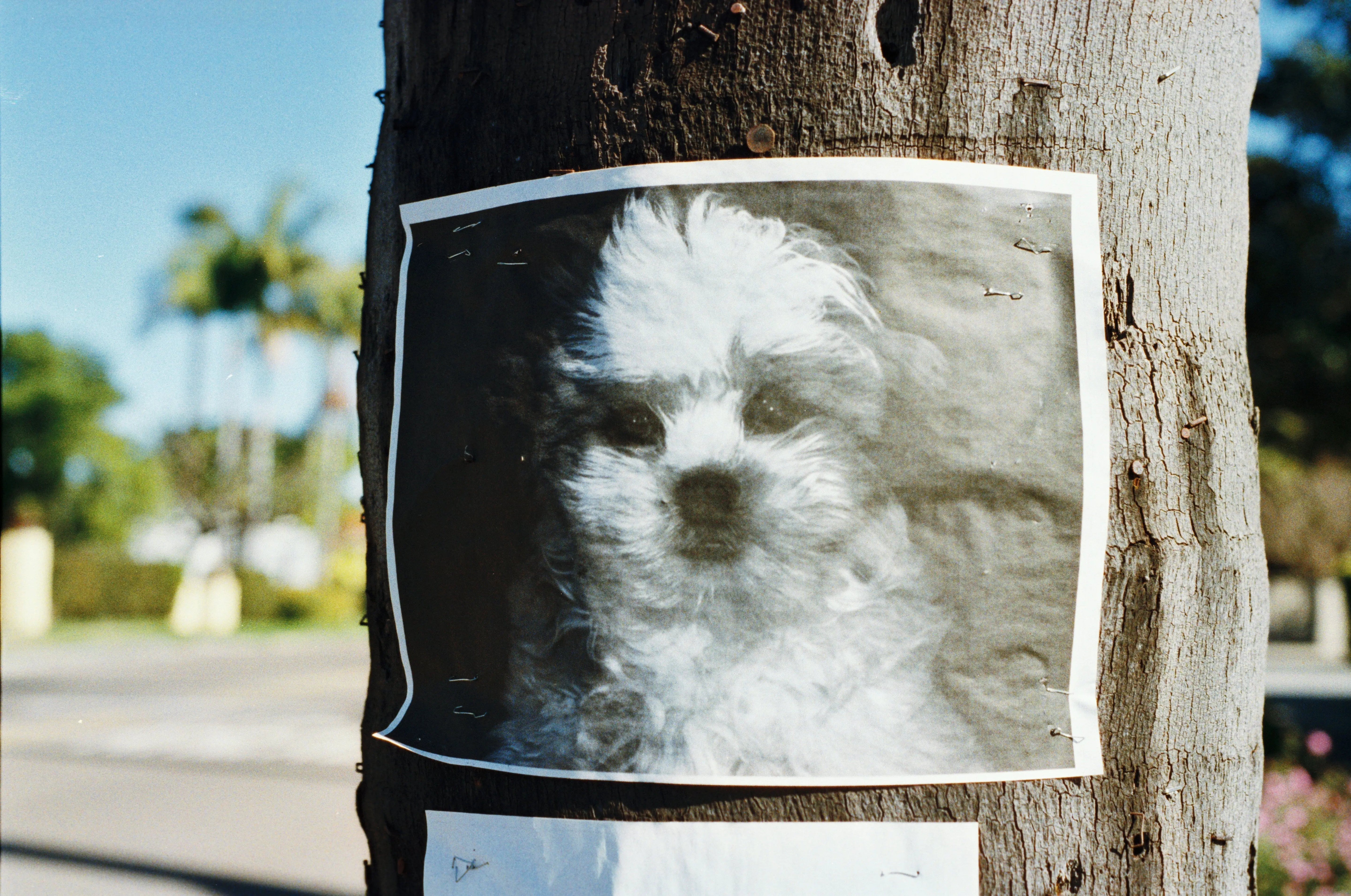
- Make and Post Lost Dog Flyers: If initial searches don’t locate your dog within the first hour or two, start creating a simple "Lost Dog" flyer. Use a recent photo that clearly shows your dog’s appearance. Include your dog’s name, a brief description (breed, color, size, any distinctive markings), and your phone number in large text. Mention if the dog is friendly or if there are any medical needs. Print out as many as you can and post them around the neighborhood – on street corners, community bulletin boards, and at local parks. Hand out copies to people walking in the area, mail carriers, and delivery drivers who are frequently in the neighborhood.
- Contact Local Shelters and Animal Control: Call the nearby animal shelters, animal control officers, and veterinary clinics to report your dog missing as soon as possible. Provide them with the same description you put on the flyer. It’s often best to visit shelters in person with a flyer; descriptions over the phone can be misinterpreted, so a photo is invaluable. Shelters and rescues get many lost pet reports, so check back frequently – don’t assume they will call you. Visiting every day or two to see new intakes can make sure a sighting isn’t missed.
- Contact the Microchip Registry: If your dog has a microchip, notify the microchip company that your pet is lost. Ensure your contact information in their registry is up-to-date. Many microchip databases allow you to flag the pet as missing, and some will send out alerts to local shelters on your behalf. This step is crucial – a microchip greatly increases the chances of reunion if someone finds your dog and takes them to a vet or shelter to be scanned. (In fact, studies show microchipped dogs are returned to their owners at a much higher rate than those without microchips – one study found about 52% of microchipped dogs were reunited vs only 22% of dogs without chips.)
- Leave Out Familiar Scent Items: Dogs have an incredible sense of smell. Place your dog’s bed, favorite blanket, or some of your unwashed clothing outside (the familiar scents can help guide your dog back home). Additionally, hang up a favorite toy or leave out a bowl of your dog’s favorite food and some water. These scent cues can help lure a wandering dog back home if they’re still in the area. Many lost dogs return on their own, especially during the quieter hours of early morning or late at night, so keep watch and listen during those times.
- Be Patient and Don’t Lose Hope: Continue your efforts and don’t give up hope. Not all lost dogs come back on the first day. Some may be found days or even weeks later. Keep refreshing online posts and putting up new flyers periodically. Check with shelters daily (in person or via their websites if they post found pets). You might also expand your search to neighboring areas and notify local rescues. Persistence is key – there are many stories of dogs reuniting with their owners after significant time apart, thanks to the owners’ continued search.
Preventing Future Escapes
Once your dog is safely back home, take time to figure out how they got away and what you can do to prevent it in the future. Ensure your yard is secure – fix any fence gaps or broken gate latches. Supervise your dog during times they might be tempted to run (for example, when visitors are coming in and out or during fireworks). Training is also key: work on solid recall commands like “come” and “stay” so that your dog is more likely to respond if they bolt. Always keep identification on your dog’s collar, such as an ID tag with your phone number, and maintain their microchip registration with current contact info. By being proactive and prepared, you can greatly reduce the chances of your canine companion running off again.
Losing a dog is frightening, but prompt action and persistence significantly improve the odds of a happy reunion. Stay calm, use all resources available, and don’t give up – your dog is counting on you to bring them home safely.




Share with friends & family:
Best Ways to Keep Your Pets Safe
How to Find a Lost Dog Fast