

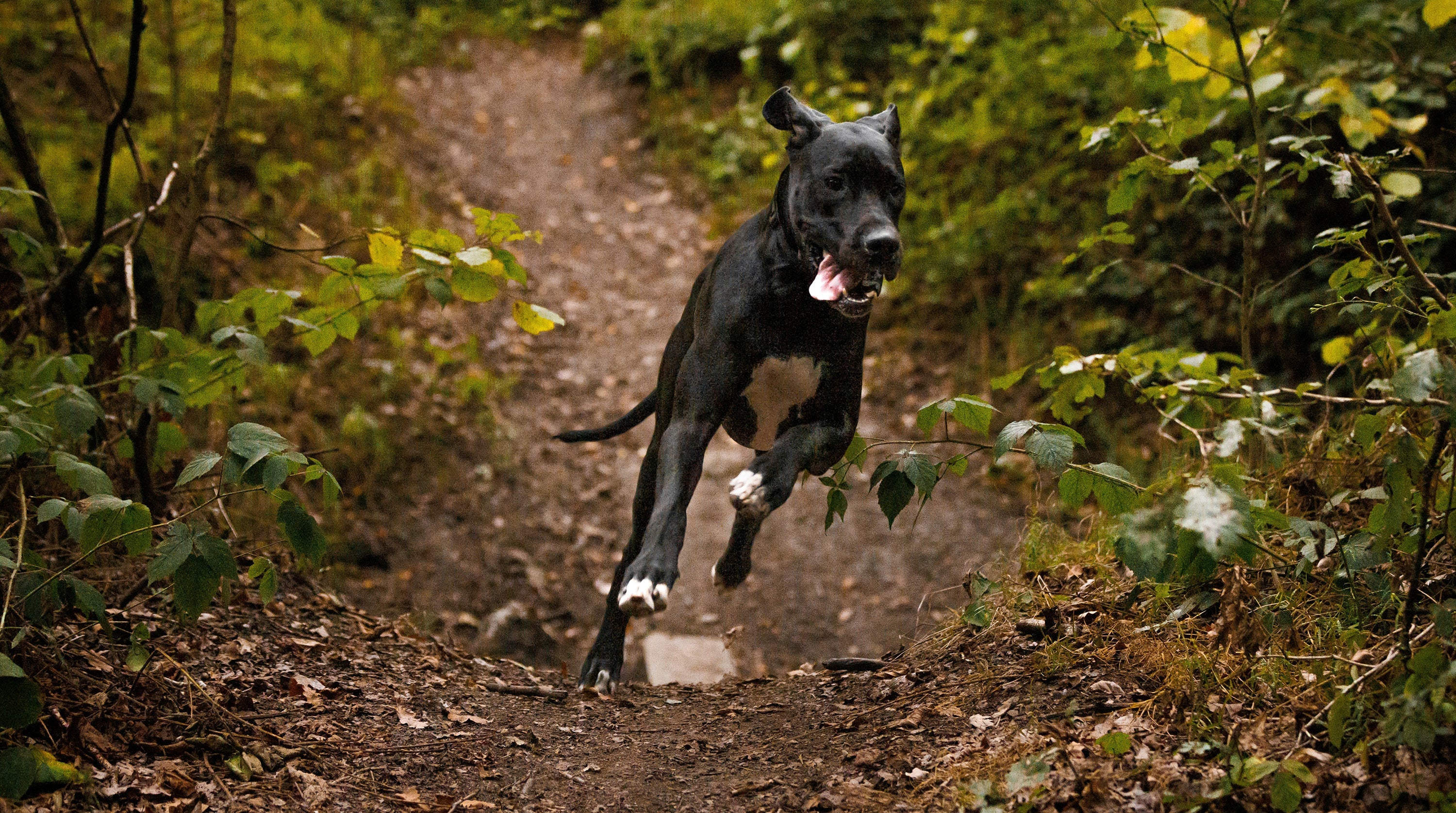
How to Protect an Off Lead Dog Who Gets Spooked Easily
Letting your dog off lead can be one of the most enjoyable parts of dog ownership. It gives dogs freedom to explore, sniff, and move naturally. But if your dog gets spooked easily, off lead time can also feel stressful and risky. Sudden noises, fast movement, or unfamiliar situations can trigger panic and cause a dog to bolt.
This guide explains how to protect a sensitive or easily startled dog when off lead by focusing on preparation, training, equipment, and decision making so you can reduce risk while still supporting your dog’s quality of life.
Why Some Dogs Get Spooked Off Lead
Dogs that spook easily are not being stubborn or disobedient. Fear responses are instinctive. When a dog is startled, the nervous system can switch into survival mode before the thinking part of the brain has time to respond.
Common triggers include:
Sudden loud noises such as vehicles or machinery
Unexpected movement like bikes, runners, or wildlife
Unfamiliar environments or open spaces
Past negative experiences
Genetic sensitivity or lack of early social exposure
Understanding that fear drives the behavior helps you build safer strategies rather than relying on control or punishment.
Deciding Whether Off Lead Time Is Appropriate
Not every dog is ready for off lead freedom in every environment. Protecting a spooked dog starts with honest assessment.
Ask yourself:
Does my dog reliably return when called in low distraction areas?
Can my dog recover quickly after being startled?
Is the environment predictable and contained?
If the answer to these questions is no, off lead time should be limited to safer locations such as fenced areas or quiet open spaces with clear visibility.
Build a Recall That Works Under Stress
Recall is one of the most important safety tools for an off lead dog. For dogs that spook easily, recall training must go beyond basic obedience.
Practice recall in calm environments first and reward generously every time your dog chooses to return to you. Gradually introduce mild distractions and increase difficulty slowly.
A long training line allows you to practice recall at distance while still maintaining safety. This prevents your dog from rehearsing running away if fear takes over.
Organizations such as the American Kennel Club recommend keeping recall positive and rewarding so dogs associate coming back with safety rather than the end of freedom.
Use the Right Equipment for Safety
Even when off lead, equipment choices matter.
Many owners of sensitive dogs use a secure harness during training phases to reduce the risk of slipping out if a lead is needed suddenly.
Some dogs benefit from wearing a lightweight tracking or identification tag so that if they do spook and run, there is a clear way for someone to contact you.
Visible ID tags and QR code tags help ensure that if your dog is found, you can be contacted quickly without delays.
Create Predictable Walking Routines
Predictability reduces anxiety. Walking the same routes at similar times helps your dog learn what to expect.
Avoid highly stimulating environments until your dog has shown consistent confidence. Busy parks, events, or unfamiliar trails may be overwhelming for a dog that spooks easily.
When introducing new locations, keep your dog on lead first so they can observe and adjust without pressure.
Learn How to Respond When Your Dog Gets Spooked
Your reaction in the moment has a direct impact on your dog’s recovery.
If your dog startles:
Stay calm and avoid sudden movements
Increase distance from the trigger if possible
Use a calm, familiar voice
Avoid chasing or grabbing abruptly
Allow your dog time to settle before continuing. Rushing or forcing movement can increase fear and make future reactions worse.
Have a Safety Plan in Place
Protecting an off lead dog who spooks easily means planning for worst case scenarios.
Before allowing off lead time, make sure:
Your dog’s identification is current
You know the area well and can predict escape routes
You have practiced emergency recall cues
If your dog uses a Supernormal QR tag, ensure their profile is active so that anyone who finds them can contact you instantly.
Knowing you have a plan reduces stress and helps you act quickly if something goes wrong.
Consider Professional Support
If your dog’s fear responses are intense or worsening, working with a qualified trainer or behavior professional can help.
Positive reinforcement based trainers can help your dog build confidence and develop coping strategies without increasing fear.
The Humane Society recommends early support for fear based behaviors to prevent escalation.
Frequently Asked Questions
Should I ever let a fearful dog off lead?
Some fearful dogs can enjoy off lead time in controlled environments once strong recall and confidence are built. Others may always be safer on lead. The goal is safety, not comparison to other dogs.
Does more exposure fix fear?
Only gradual and positive exposure helps. Forced or overwhelming exposure can make fear worse.
What if my dog bolts and does not come back?
Do not chase. Stay calm, lower your body, and use a gentle voice. Having identification and a clear recovery plan greatly improves outcomes.
Final Thoughts
Protecting an off lead dog who gets spooked easily is about understanding fear, building trust, and choosing safety over pressure. With the right preparation and support, sensitive dogs can enjoy freedom while staying protected.




Share with friends & family:
Step by Step Lost Pet Checklist
Pet Trackers Explained: GPS Pet Trackers vs Smart QR Code Pet Tags