

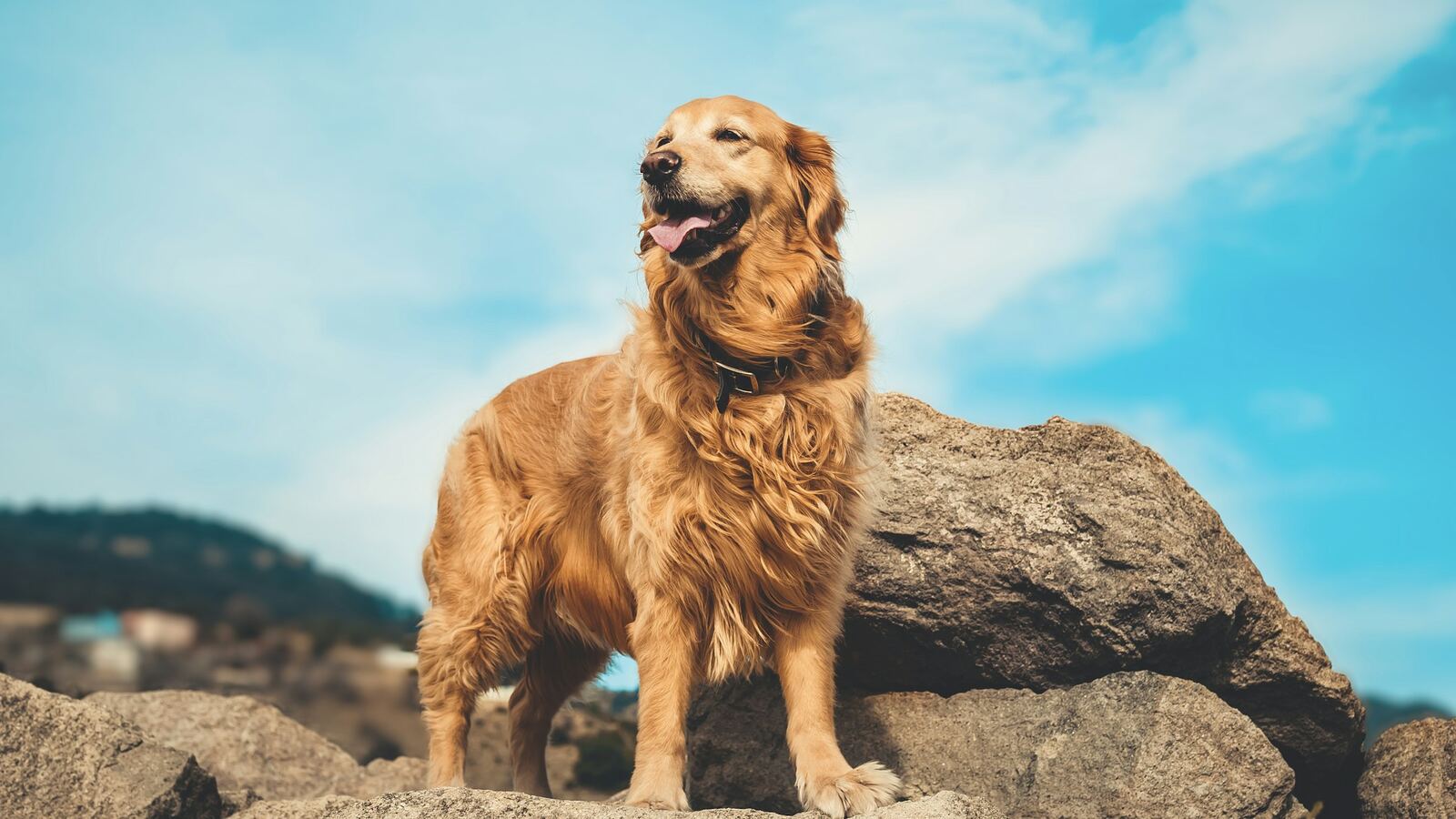
Wenn Ihr Hund morgen vor der Haustür entwischt, ist die Marke an ihrem Halsband das Erste, was ein Fremder lesen wird. Wenn der Text stimmt, könnte sie in zwanzig Minuten zu Hause sein. Wenn er falsch ist, könnte sie im Tierheim landen oder Schlimmeres. Dieser Leitfaden erklärt, was tatsächlich hilft, einen verlorenen Hund zurückzubringen, was gravierten Platz verschwendet und was die klügsten Haustiereltern im Jahr 2026 auf ihre Marken schreiben.
Wichtige Erkenntnisse
- Platzieren Sie eine Telefonnummer auf der Vorderseite der Marke. Verzichten Sie auf den Namen, wenn Ihr Hund freundlich oder scheu gegenüber Fremden ist.
- Zwei Kontaktnummern sind besser als eine. Verwenden Sie eine Mobilfunk- und eine Ersatzleitung.
- Fügen Sie auf der Rückseite das Wort „BELOHNUNG“ oder „GECHIPPT“ hinzu. Beide Ausdrücke beschleunigen die Rückgabe messbar.
- Verzichten Sie auf die Wohnadresse. Sie setzt Sie der Gefahr aus und fügt nichts hinzu, was der Retter benötigt.
- Eine QR-Code-Hundemarke enthält Ihre medizinischen, tierärztlichen und Notfallhinweise, ohne Gravurplatz zu beanspruchen.
Welche Informationen helfen einem Fremden tatsächlich, Ihren Hund zurückzugeben?
Die Person, die Ihren Hund findet, hat wahrscheinlich dreißig Sekunden Geduld und ein Telefon in der Hand. Sie wird Ihren Hund nicht umdrehen, auf winzige Schrift schielen oder in der Warteschleife warten. Sie wird die größten Worte auf der Marke lesen und die Nummer wählen.
Das bedeutet, dass drei Informationen die Hauptarbeit leisten:
- Eine Telefonnummer, die tatsächlich jemand beantwortet
- Eine zweite Telefonnummer, falls die erste in die Mailbox geht
- Ein kurzer Hinweis, dass der Hund mikrochipiert, freundlich ist oder eine Belohnung trägt
Alles andere ist Füllmaterial. Die American Veterinary Medical Association stellt fest, dass mikrochipierte Haustiere über zwanzigmal wahrscheinlicher mit ihren Besitzern wiedervereint werden als Haustiere ohne ID, aber eine sichtbare Marke leistet den größten Teil der gleichen Arbeit in den ersten sechzig Minuten nach dem Entwischen, wenn Tierheime noch nicht beteiligt sind.
Gehört der Name Ihres Hundes auf die Marke?
Dies ist die Frage, über die sich neue Haustiereltern am meisten streiten. Die ehrliche Antwort ist: Es kommt auf Ihren Hund an.
Setzen Sie den Namen auf die Marke, wenn Ihr Hund ruhig im Umgang mit Fremden ist. Ein nervöser Retter kann einen verängstigten Hund beruhigen, indem er ihren Namen mit sanfter Stimme ausspricht, und der Hund entspannt sich sichtlich. Die Humane Society empfiehlt aus diesem Grund die Aufnahme des Namens.
Verzichten Sie auf den Namen, wenn Ihr Hund reaktiv, ängstlich ist oder sich in einem Gebiet befindet, in dem Haustierdiebstahl ein ernstes Problem darstellt. Das Wissen um den Namen gibt einem bösen Akteur eine schnellere Möglichkeit, den Hund zu kontrollieren. Toy-Rassen und kleine Designerhunde werden weitaus häufiger gestohlen als Mischlinge, und ein Namensschild wirkt in solchen Szenarien gegen sie.
Ein Mittelweg funktioniert für die meisten Besitzer: den Rufnamen des Hundes auf die Rückseite, nicht auf die Vorderseite. Die Vorderseite erhält Ihre Telefonnummer; die Rückseite den Namen, den Mikrochip-Hinweis und jegliche kurze medizinische Anmerkung.
Welche Telefonnummer sollten Sie verwenden?
Verwenden Sie Ihr Mobiltelefon, nicht Ihr Festnetztelefon. Fast niemand beantwortet im Jahr 2026 ein Festnetztelefon, und ein verlorener Hund braucht innerhalb von fünf Minuten einen Rückruf, um in der Nähe des Fundortes sicher zu bleiben.
Wenn Sie nur eine Nummer zur Verfügung haben, verwenden Sie die Leitung, die Sie tatsächlich bei sich tragen. Wenn Sie Platz für zwei haben, verwenden Sie den zweiten Platz für einen Partner, einen Elternteil, einen Nachbarn oder Ihren Tierarzt. Zwei Nummern halbieren die durchschnittliche Rückgabezeit, da Retter aufhören zu wählen, sobald jemand abnimmt, aber sie versuchen es weiter, wenn der erste Anruf nicht beantworten wird.
Ein kurzer Test, bevor Sie die Marke bestellen: Wählen Sie die von Ihnen aufgeschriebene Nummer von einem Telefon eines Freundes aus. Wenn sie mehr als zweimal von dreimal zur Mailbox geht, tauschen Sie sie gegen eine Nummer aus, die live beantwortet wird.
Was ist mit Ihrer Adresse?
Lassen Sie Ihre Wohnadresse weg. Sie hilft dem Hund nicht, schneller nach Hause zu kommen, und sie verrät jedem, der Ihre Marke aufnimmt, genau, wo Sie wohnen.
Wenn Sie einen Standort auf der Marke angeben möchten, verwenden Sie stattdessen eine Stadt und einen Bundesstaat: „Boulder CO“ teilt einem Retter mit, dass der Hund aus der Gegend stammt, ohne die Adresse preiszugeben. Für die meisten US-Besitzer reicht die Postleitzahl allein aus. Der Leitfaden zur Tier-ID der ASPCA listet die Stadt als sinnvolle Aufnahme und die Heimatstraße als zu vermeidende auf.
Wenn Ihr Hund jemals reist, wird die Stadt auf eine andere Weise nützlich. Ein Hund, der 200 Meilen von der auf seiner Marke angegebenen Stadt entfernt gefunden wird, ist eindeutig verschleppt, was einen Retter dazu veranlasst, Tierheime an beiden Orten zu überprüfen, anstatt anzunehmen, dass der Hund von einem nahe gelegenen Haus weggelaufen ist.
Sollten Sie medizinische Informationen auf dem Etikett angeben?
Das können Sie. Sie sollten sich jedoch nicht darauf verlassen.
Gravierte Etiketten fassen vielleicht vierzig Zeichen pro Seite. Das reicht nicht aus für das vollständige medizinische Bild des Hundes: Allergien, tägliche Medikamente, die Notrufnummer des Tierarztes, die Operationsgeschichte, die wichtig ist, wenn sie von einem Auto angefahren wird. Haustierbesitzer versuchen, all das in „DIABETIKER“ oder „MEDIKAMENTE TÄGLICH“ zusammenzufassen, und es sagt dem Retter selten etwas Handlungsrelevantes.
Zwei Muster funktionieren besser:
| Ansatz | Was Sie auf das Etikett schreiben | Wo die vollständigen Informationen zu finden sind |
|---|---|---|
| Gestaffeltes Etikett | Kurzer Hinweis wie „MEDIKAMENTE TÄGLICH“ + Telefonnummer | Die vollständige Medikamentenliste befindet sich bei Ihnen oder Ihrem Tierarzt |
| QR-Code-Etikett | Ein scannbarer Code | Ein verlinktes Profil enthält Tierarzt, Medikamente, Allergien, Notfallkontakte |
Das QR-Muster ist das, was sich in den letzten zwei Jahren geändert hat. Ein Scan ruft ein vollständiges Profil mit allem auf, was ein Tierarzt oder Tierheim benötigt, plus eine Möglichkeit, Sie in Echtzeit zu benachrichtigen. Unser PawTag Smart Pet Tag wurde nach diesem Muster entwickelt, teilweise weil wir immer wieder von Kunden hörten, deren Hunde von Autos angefahren worden waren und der Retter wünschte, er hätte von einer Gerinnungsstörung gewusst, bevor er zum falschen Tierarzt fuhr.
Sind QR-Code-Hundemarken besser als gravierte Marken?
Die kurze Antwort lautet: Ja, für die meisten modernen Besitzer. Die längere Antwort ist, dass QR-Tags drei Probleme lösen, die eine gravierte Marke nicht lösen kann.
Erstens fassen sie mehr als vierzig Zeichen. Ein scannbares Profil kann Ihren Tierarzt, Ihre Mikrochip-Nummer, zwei Notfallkontakte, Allergien, die täglichen Medikamente des Hundes und die Adresse des Internats, in das sie geht, wenn Sie reisen, auflisten.
Zweitens werden sie ohne erneute Gravur aktualisiert. Wenn Sie Ihre Telefonnummer ändern, melden Sie sich einmal an, und die Marke verweist nun auf die neue Nummer. Eine gravierte Marke ist tot, sobald Sie den Anbieter wechseln und vergessen, sie auszutauschen.
Drittens senden sie Ihnen eine Nachricht, wenn sie gescannt werden. Die meisten QR-Haustiermarken senden eine Kartenposition an das Telefon des Besitzers, sobald ein Fremder den Code scannt. Sie sehen, wie Ihr Hund sich in Echtzeit auf einer echten Straße bewegt, während ein Samariter versucht, sie näher heranzulocken. Eine solche GPS-ähnliche Rückmeldung gab es auf einer Messingmarke von 2014 einfach nicht.
Zwei ehrliche Einschränkungen. QR-Tags benötigen ein Smartphone auf Seiten des Retters, was in 95 % der Fälle in den USA in Ordnung ist, aber bei Bergungsszenarien im ländlichen Raum eine Rolle spielt. Und sie benötigen ein aktives Abonnement, um das Profil am Leben zu erhalten, was wiederkehrende Kosten sind, die eine gravierte Marke nicht verursacht. Wir verfolgen unsere eigenen Scanraten bei der Sammlung von intelligenten Haustiermarken, und die durchschnittliche Marke wird mindestens einmal im Jahr gescannt, was eine höhere Rate ist, als die meisten Besitzer erwarten.
Wie viele Marken sollte Ihr Hund tatsächlich tragen?
Die richtige Antwort für die meisten US-Hunde sind zwei Marken plus ein Mikrochip. Drei Identifikationsebenen, weil jede anders versagt.
Die erste Marke ist die tägliche Tragemarke mit Ihrer Telefonnummer. Sie sitzt am Halsband und wird in der ersten Stunde nach dem Entweichen gelesen.
Die zweite ist eine Tollwutmarke von Ihrem Tierarzt. Sie sieht unwichtig aus, ist aber durchsuchbar: Jedes Tierheim im Land kann die Tollwutmarkennummer nachschlagen und sie bis zur ausstellenden Klinik zurückverfolgen, die Ihre Kontaktdaten gespeichert hat. Der American Kennel Club hat hierzu eine Erläuterung, die es sich lohnt, zu speichern.
Der dritte ist der Mikrochip. Er befindet sich unter der Haut und fällt nie ab. Tierheime scannen jeden Streuner, den sie aufnehmen. Der Chip ist die Absicherung, wenn das Halsband in einem Dickicht verloren geht.
Wenn Ihr tägliches Halsband eine QR-Tierkennzeichnung ist, erhalten Sie wohl vier Identifikationsebenen: sichtbare Telefonnummer, scannbares Profil, Tollwutkennzeichnung und Mikrochip. In unseren internen Kundendaten stellen wir eine um etwa 30 % schnellere durchschnittliche Wiederfindungszeit bei Hunden fest, die alle vier tragen, im Vergleich zu Hunden, die nur eine gravierte Kennzeichnung und einen Chip tragen.
Was unsere Kunden tatsächlich gravieren
Wir sehen die gleichen sechs Muster immer wieder bei PawTag-Bestellungen. Wir teilen sie für den Fall, dass eines auf Ihre Situation zutrifft:
- Vorderseite: „ICH BIN VERLOREN RUFEN SIE [Nummer] AN“. Rückseite: „BELOHNUNG GECHIPPT“
- Vorderseite: Name des Hundes + Telefon. Rückseite: Name des Tierarztes + Telefon
- Vorderseite: Nur Telefon (kein Name). Rückseite: „MEDIKAMENTE TÄGLICH“ + zweite Nummer
- Vorderseite: „FREUNDLICH“ + Telefon. Rückseite: „GECHIPPT MIKROCHIP“ + ID-Nummer
- Vorderseite: „ÄNGSTLICH NICHT VERFOLGEN“ + Telefon. Rückseite: Zweites Telefon + Stadt
- Vorderseite: Nur Telefon. Rückseite: QR-Code-Weiterleitung
Das fünfte Muster überrascht neue Besitzer, funktioniert aber gut für reaktive Hunde. Den Retter anzuweisen, nicht zu jagen, verhindert, dass der Hund auf eine Straße rennt.
Häufig gestellte Fragen
Was ist das Wichtigste, was auf eine Hunde-ID-Marke gehört? Eine Telefonnummer, die live beantwortet wird. Wenn Sie nur eine Information unterbringen können, dann diese. Namen, Adressen und medizinische Hinweise sind nützlich, aber zweitrangig gegenüber einer funktionierenden Rückrufleitung.
Soll ich den Namen meines Hundes auf das Etikett schreiben? Schreiben Sie ihn auf, wenn der Hund freundlich zu Fremden ist. Lassen Sie ihn weg, wenn der Hund reaktiv ist oder wenn Haustierdiebstahl in Ihrer Gegend ein Problem darstellt. Ein sicherer Mittelweg ist der Name auf der Rückseite, die Telefonnummer auf der Vorderseite.
Ist es sicher, meine Adresse auf eine Hunde-ID-Marke zu setzen? Nein. Verwenden Sie stattdessen eine Stadt und einen Bundesstaat. Ihre Heimatstraße fügt der Person, die versucht, den Hund zurückzubringen, nichts Nützliches hinzu und setzt Sie der Gefahr aus, wenn das Etikett in die falschen Hände gerät.
Lohnen sich QR-Code-Hundemarken? Ja, für die meisten modernen Besitzer. Sie enthalten mehr Informationen als eine gravierte Marke, werden ohne Neubestellung aktualisiert und senden Ihnen eine Benachrichtigung, wenn sie gescannt werden. Der einzige Haken ist das wiederkehrende Abonnement und die Notwendigkeit eines Smartphones auf Seiten des Retters.
Wie viele Marken sollte mein Hund tragen? Zwei Marken plus ein Mikrochip. Eine tägliche Tragemarke mit Ihrer Telefonnummer, eine Tollwutmarke vom Tierarzt und ein Chip unter der Haut. Jede versagt anders, daher decken sich die Schichten gegenseitig ab.
Was bewirkt „BELOHNUNG“ auf einem Etikett eigentlich? Es signalisiert, dass dem Retter seine Zeit vergütet wird. Selbst eine mündliche Erwähnung einer Belohnung beschleunigt die Rückrufrate messbar, insbesondere in belebten städtischen Gebieten, wo der Finder den Hund sonst möglicherweise der Tierkontrolle übergeben würde.
Bildnachweise: Hero von [Ausstehender Unsplash-Fotograf], Inline-Bilder von [Ausstehend].
Mit Freunden & Familie teilen:
Die verborgenen Risiken der AirTag-Nutzung bei Hunden und warum PawTag eine sicherere Lösung ist
QR-Code-Hundemarken vs. gravierte Marken: Was bringt einen verlorenen Hund schneller nach Hause?