

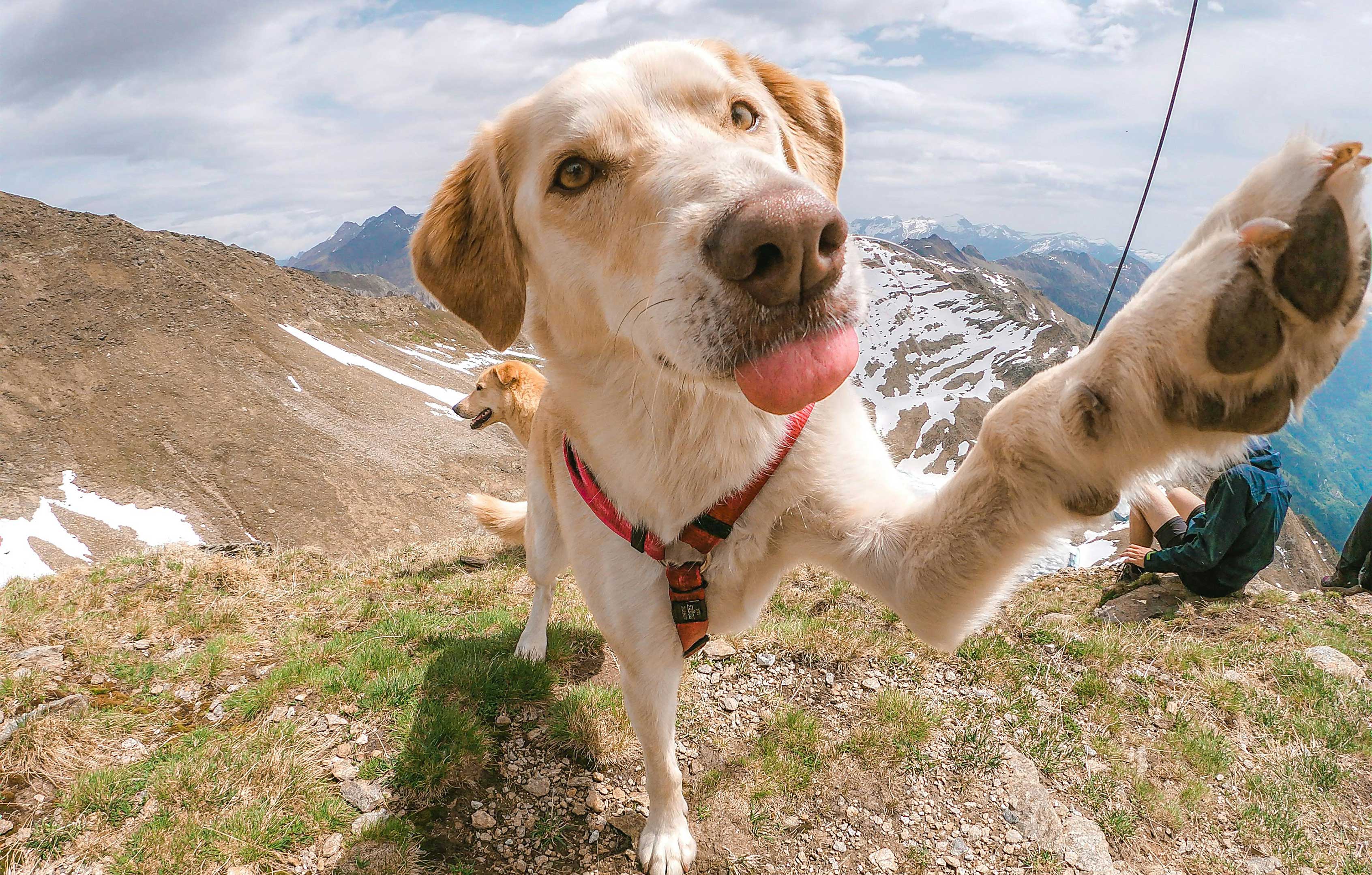
What to Do If Someone Finds My Pet
Getting the call or message that someone has found your lost pet is a huge relief – but it can also raise questions about what to do next. How do you make sure the pet they found is really yours? What’s the safest way to get your furry friend back? By handling the situation calmly and thoughtfully, you can ensure a smooth reunion. Here’s what to do when a stranger finds your pet and reaches out to you.
Verify It’s Really Your Pet
First and foremost, confirm that the animal someone found is actually your pet. It might sound obvious, but mistakes can happen, especially if your pet is a common breed or looks similar to others. Politely ask the finder for identifying details or even a photo of the pet they found. Compare it to your own photos of your pet. Look for unique markings, coloration, or features (for example, a particular spot pattern or an ear notch). You can also ask questions that only you would know about your pet’s behavior or personality (e.g., “Does he have a habit of wagging his tail in a circle?”). Most people will understand your caution – they likely want to make sure they’re returning the pet to the right person, too.
If your pet has a microchip, this is the gold standard for verification. You can mention to the finder that your pet is microchipped. Ideally, suggest meeting at a veterinary clinic or animal shelter where the pet’s microchip can be scanned to confirm your ownership. Microchips carry ID numbers that are linked to the owner’s information, so a quick scan can provide peace of mind for both parties. (If your contact info was up to date in the microchip registry, the finder may have been able to contact you directly through that.)
Arrange a Safe Meeting
Once you’re confident it’s your pet, plan how to retrieve them safely. Choose a neutral, public location for the handoff whenever possible – somewhere like the parking lot of a pet-friendly store, a vet’s office, or even outside a police station. Public places ensure you and the finder both feel secure. If the finder is bringing the pet to you, you might consider bringing a friend or family member along for support, especially if you’re meeting in an unfamiliar area or after dark.
Bring a proper pet carrier or leash with you to the meeting. Your pet might be anxious or excited, so you’ll want to safely secure them for the trip home. Also, bring along some form of identification for yourself and any proof of ownership for the pet if you have it. This could be photos on your phone (showing you with your pet), vaccination records, adoption paperwork, or microchip paperwork. Having these on hand can ease any concerns the finder might have about releasing the pet to you – remember, they don’t know you either, and a good Samaritan will want to be sure they’re handing the pet to the rightful owner.
Be Courteous and Thankful
When you meet, stay calm and approach the situation with gratitude. Your pet might be a bit stressed from the whole ordeal, so speak in a soothing voice and focus on calming them first. Thank the finder sincerely for taking care of your pet and making the effort to reunite you. If you offered a reward in your “lost pet” postings or flyers, be prepared to give that reward. Many people will refuse a reward, but it’s courteous to offer it if you advertised one. Even if you didn’t promise a reward, you can still show appreciation – consider giving them a small token like a gift card or at least a heartfelt thank-you note later on. These gestures aren’t required, but they acknowledge the finder’s kindness.
After verifying everything, you can put your leash on your dog or secure your cat in their carrier, and then take your pet back into your care. It’s a good idea to do this before fully parting ways, just to ensure your pet doesn’t get spooked and try to dash off again in the excitement of the reunion. Once your pet is safely with you, you can allow yourself to truly breathe that sigh of relief!
Handling Potential Complications
In most cases, the reunion process is straightforward – an honest person finds your pet and happily returns them. But on rare occasions, there could be complications. For instance, if the person who found your pet is reluctant to give them back or is hinting at keeping the pet, you may need to involve authorities. If you have clear proof of ownership (like a microchip registration or vet records) and the person refuses to return your pet, you can contact local law enforcement for assistance. Pet theft is illegal, and authorities can help mediate the situation. Hopefully, you never encounter this scenario, but it’s important to know that you have options if things go awry.
Another complication could be if someone claims to have found your pet and demands a hefty “reward” before returning them – especially if you never offered one. Be cautious; while many finders are genuine, there are occasional scams targeting distraught pet owners. Never send money to someone without seeing your pet safely returned first. It’s perfectly reasonable to ask to meet (in a safe, public place) so you can confirm they truly have your pet. If a large reward was advertised, it’s best to involve a neutral third party or authorities to oversee the exchange.
After Your Pet Is Home
Once you have your pet back home, there are a few follow-up steps to take. Notify any shelters or agencies you had alerted that your pet has been found, so they can update their records. Take down or update your lost pet posts and flyers with the good news, and thank everyone who helped spread the word – this not only shows appreciation, but also lets people know the search is over. Keep a close eye on your pet in the days following their return. Depending on how long they were missing and what happened while they were away, they might need a check-up at the vet for any potential injuries or health issues. They might also be a bit extra clingy or skittish – give them plenty of love and a calm environment to readjust.
Finally, evaluate how the situation occurred and consider any preventative measures for the future. Ensure your pet’s ID tags and microchip information are up to date so that if they ever get lost again (hopefully never!), the reunion process can be even quicker. You might also look into a GPS pet tracker or more secure fencing if those are relevant. Having a plan in case your pet goes missing – and knowing that there are good people out there willing to help – can bring some peace of mind.
Having a stranger find your missing pet is a scenario that ends in relief for most owners. By verifying ownership, arranging a safe meet-up, and showing gratitude, you can turn a stressful situation into a positive experience. In the end, the most important thing is that your furry family member is back home where they belong.










Share with friends & family:
GPS vs QR Pet Tags: What’s the Best Way to Track Your Pet?
What to Do If Your Dog Runs Away